NO fewer than 7,825 people were abducted in 1,713 kidnap and kidnap-related incidents across Nigeria between July 2025 and June 2026, while at least 1,142 people were reported killed during the period, a report by SBM Intelligence has revealed.

The report, titled “The Capture of the Kidnap Economy,” also disclosed that Nigerians paid N7.8 billion in ransom to kidnappers during the period under review.

Read also: Kaduna Bandits Demand N300m For Release Of Abducted Couple, Six-Month-Old Baby

News Point Nigeria reports that security experts have condemned the growing kidnap-for-ransom economy in the country, warning that the payment of billions of naira to criminal groups was strengthening their capacity to acquire arms and sustain violent operations.


According to SBM Intelligence, the ransom demanded by kidnappers dropped from N48 billion to N22.9 billion, while actual payments rose from N2.56 billion to N7.78 billion, increasing the collection rate from 5.35 per cent to 34 per cent.
The report attributed 90 per cent of the ransom paid to the Jama’atu Ahlis Sunna Lidda’awati Wal-Jihad faction of Boko Haram, which reportedly collected N7 billion from only eight incidents.
It said two major abductions accounted for almost the entire amount, including the N5 billion ransom reportedly paid for 416 captives abducted from Ngoshe, Borno State, and N2 billion for 315 pupils and staff of St Mary’s School, Papiri, Niger State.

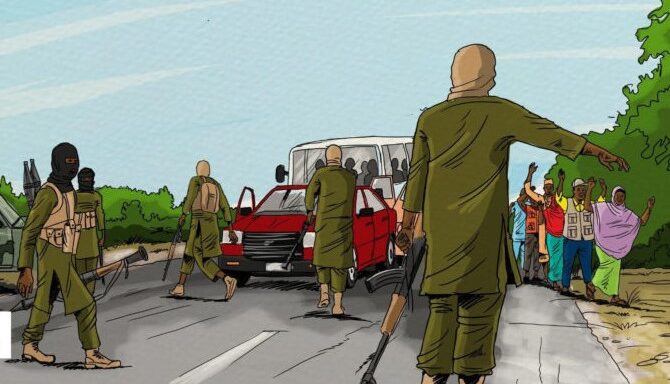
SBM Intelligence said mass abduction had become the most frequent mode of operation among kidnappers, with Zamfara recording 92 mass abductions and Sokoto 76 during the period.
The report noted that the resurgence of school abductions, particularly the Papiri incident, had broader consequences for education, agriculture and public confidence.

Read also: US Threatens To Restrict Military Support To Nigeria Over Child Soldier Recruitment
It also warned that ransom payment did not guarantee victims’ survival, noting that in at least six cases, hostages were killed after ransom had been paid.
The report recommended disrupting the financial flows sustaining insurgency while addressing the economic conditions that supply recruits to criminal groups.


“Without a coordinated strategy that targets both the profitability of the crime and its roots, Nigeria risks entrenching kidnapping not merely as a criminal industry but as a funding mechanism for the very groups that most threaten its stability,” the report warned.
Reacting to the development, security expert Jackson Ojo described Nigeria as an “unsafe territory,” blaming the worsening kidnapping crisis on what he called the lackadaisical attitude of some government officials.
Ojo said the failure of the state to mount sufficient resistance had allowed terrorists, bandits and kidnappers to transform abduction into a major revenue-generating enterprise.
“Due to the lackadaisical attitude of some persons in government, they have now helped the terrorists, the kidnappers, and the bandits to turn the kidnapping industry in Nigeria into one of the highest industries and economic revenue-generating industries in Nigeria,” he said.
The security expert stressed that the primary responsibility of government was to protect citizens, arguing that Nigerians remained vulnerable while being legally restricted from bearing arms for self-defence.
Read also: Why Nigeria Should Not Restore Petrol Subsidy, IMF Warns
He also expressed concern over the increasing sophistication and audacity of criminal groups, citing instances where bandits allegedly issued advance notices to communities and demanded specific items, including motorcycles and call cards, as ransom.
Ojo further raised concern over the number of military personnel killed in the fight against terrorists and bandits, saying the loss of senior officers had become alarming.