

AS political, economic, and climate uncertainties continue to shape global investment behaviour, wealthy Nigerians are increasingly turning to Abu Dhabi and Dubai as preferred destinations to safeguard their fortunes, according to the newly released Wealth Report 2025 by international mobility platform, Multipolitan.
The report, titled “Wealth Report 2025: The Taxed Generation” sighted by News Point Nigeria, ranks Abu Dhabi, Dubai, and Singapore as the top three destinations for wealth management among Nigeria’s elite, highlighting their legal stability, predictable governance, and resilient infrastructure as key draws.

Traditionally, high-net-worth Nigerians have sought aggressive investment strategies aimed at delivering rapid capital growth.

However, Multipolitan’s research shows a marked shift in focus, from chasing high returns to prioritising long-term capital protection.


“Wealth that sleeps in uncertainty isn’t wealth; it’s a risk,” said Chee Okebalama, Executive Partner for Africa at Multipolitan.
“Cities like Singapore, Abu Dhabi, Doha, Wellington, and Copenhagen top our indices for their governance, stability, and readiness for the future. We help families gain residency in cities that reflect these values.”
According to the report, this transition in mindset is driven by political instability, fluctuating economic policies, and climate-related threats both at home and globally.
Beyond traditional asset allocation, geography is now becoming a core pillar of wealth planning. Nicholas Michael, Group Head of Market Development at Multipolitan, noted that where wealth is stored can be just as important as how it is invested.
“Where you place your wealth can matter just as much as how you grow it,” Michael explained.

“The UAE and Singapore aren’t just attracting capital; they’re protecting it through fiscal prudence and stable governance.”
Abu Dhabi and Dubai’s attractiveness is attributed to several factors:
Robust legal systems that protect property and financial rights.


Predictable political environments free from abrupt policy changes.
World-class infrastructure supporting global connectivity.
Tax regimes favourable to wealth preservation.
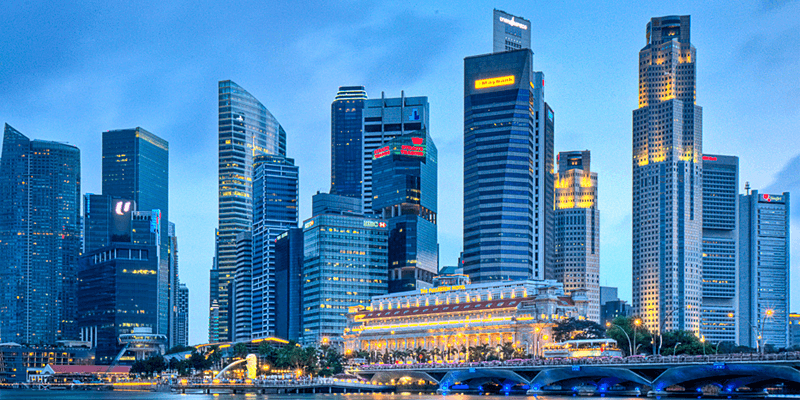
Singapore, known for its transparent governance, low corruption levels, and financial discipline, ranks alongside these UAE cities as a premier safe haven for global investors.
While Abu Dhabi and Dubai lead the list for Nigerians, the report also recognises five other Gulf cities among the top 20 global wealth protection hubs:
Manama (Bahrain)
Doha (Qatar)
Kuwait City (Kuwait)
Riyadh (Saudi Arabia)
Muscat (Oman)
This dominance of Gulf cities reflects a regional commitment to economic diversification, infrastructure investment, and governance stability, making them appealing to African high-net-worth individuals looking abroad.
The report frames this trend as part of a “generational wealth recalibration”, where younger heirs and first-generation wealth creators are increasingly adopting risk-averse, globally mobile strategies.
In an era where capital is more mobile than ever, the wealthy are not only diversifying across industries and assets but also across borders.
Multipolitan predicts that geopolitical stability, climate resilience, and tax efficiency will remain the defining features of future wealth hubs.
As Nigeria’s economic and political landscape remains unpredictable, experts expect more affluent Nigerians to secure secondary residencies or citizenships in jurisdictions that offer stability, protection, and global access.