

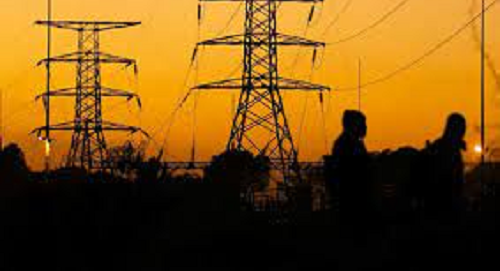
NIGERIA was plunged into widespread darkness on Monday afternoon following the collapse of the national electricity grid, resulting in a total shutdown of power supply across most parts of the country.
Data obtained from the national grid and monitored by News Point Nigeria showed that electricity generation, which stood at 3,660 megawatts (MW) as of 6:38 pm on December 28, 2025, suffered a dramatic decline, crashing to zero megawatts by about 3:10 pm on Monday.
The grid collapse, which occurred during peak daytime hours, effectively cut off electricity supply to almost all electricity distribution companies (DisCos) nationwide, disrupting homes, businesses, and critical services.


As of 3:12 pm, power was being supplied only on a limited scale to Ibadan Electricity Distribution Company, which received 30 MW, and Abuja Electricity Distribution Company, allocated 20 MW.
This marginal supply accounted for the only electricity available on the national network at the time.
All other major DisCos, including Eko, Ikeja, Benin, Enugu, Port Harcourt, Kano, Kaduna, Jos, and Yola—recorded zero power allocation, underscoring the scale of the system-wide failure.
The incident points to a severe operational breakdown or widespread system constraint within the national grid, which is managed by the Transmission Company of Nigeria (TCN).
The collapse left vast areas of the country without electricity, compounding challenges for households and businesses already grappling with rising energy costs and unreliable power supply.
Repeated grid failures in recent years have continued to raise concerns about the fragility and resilience of Nigeria’s power infrastructure, despite ongoing reforms and investments in the sector.

As of the time of filing this report, TCN had yet to issue an official statement explaining the cause of the latest grid failure or providing a timeline for full restoration of electricity supply.
