

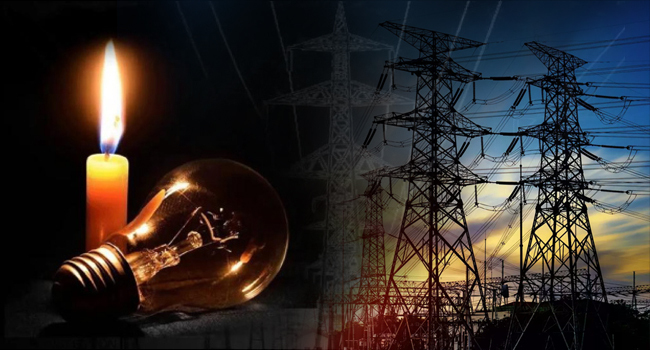
NIGERIA’s fragile electricity system suffered another major setback on Wednesday as the national power grid collapsed once again, plunging large parts of the country into darkness and disrupting economic and social activities nationwide.
Checks by News Point Nigeria revealed that electricity generation dropped precipitously from over 4,500 megawatts (MW) earlier in the day to an alarming low of 24MW by about 1:30pm, one of the steepest declines recorded in recent times.

Data obtained from industry sources showed that all 23 power generation plants connected to the national grid lost output almost simultaneously, resulting in zero power allocation to each of the country’s 11 electricity distribution companies (DisCos).


As a result, millions of households, businesses, hospitals, and public institutions were left without electricity, forcing many to rely on alternative power sources such as generators and inverters.
As of the time of filing this report, the cause of the collapse had not been officially disclosed, with officials of the Transmission Company of Nigeria (TCN) yet to issue a comprehensive statement explaining the incident or outlining recovery timelines.
This latest system failure marks the first national grid collapse recorded in 2026, coming barely weeks after a similar nationwide blackout on December 29, 2025, which had also crippled electricity supply across the country.
In recent years, Nigeria’s power grid has experienced recurrent partial and total collapses, often attributed to a mix of technical faults, weak transmission infrastructure, inadequate maintenance, and fluctuations in power generation capacity.
Power sector experts have repeatedly warned that the grid remains overstretched and vulnerable, stressing that without significant investment in transmission upgrades, grid automation, and effective system protection mechanisms, such failures would continue to occur.
Industry stakeholders have also urged the Federal Government and power operators to implement robust contingency and grid stability measures, including decentralised power solutions and improved coordination between generation, transmission, and distribution segments of the sector.

The repeated collapses have continued to raise concerns about Nigeria’s ability to provide reliable and sustainable electricity, especially at a time when the government is pushing for economic diversification, industrial growth, and increased foreign investment.
While Nigerians await an official explanation and restoration efforts from the relevant authorities, the latest incident has once again brought the country’s long-standing electricity challenges into sharp focus.

