

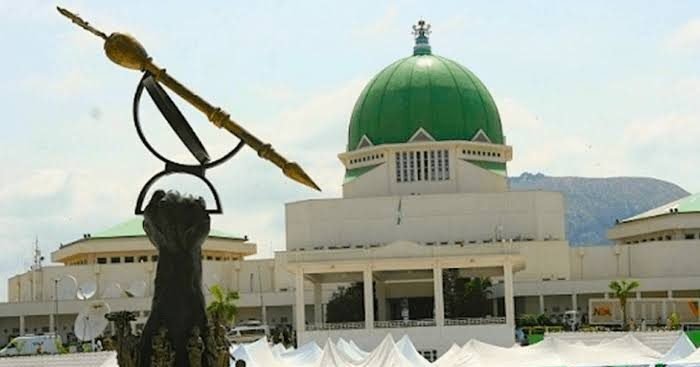
THE National Assembly is set to reconvene in an emergency plenary session on Tuesday, February 17, 2026, amid strong indications that lawmakers will review the date scheduled for the 2027 presidential election and possibly shift it from February 20 to February 13, 2027.
In a notice sighted by News Point Nigeria on Sunday and signed by the Clerk to the National Assembly, Kamoru Ogunlana, senators and members of the House of Representatives were directed to resume at 11:00 a.m., cutting short their recess.
The notice stated that “very crucial decisions” would be taken during the session, urging lawmakers to adjust their engagements accordingly.


Although the official communication did not specify the agenda, multiple sources within the legislature revealed that the extraordinary session is primarily aimed at reviewing the 2027 presidential election date announced by the Independent National Electoral Commission (INEC).
INEC had earlier fixed Saturday, February 20, 2027, for the presidential and National Assembly elections, with governorship and state assembly polls slated for March 6, 2027.
However, the February 20 date falls within the holy month of Ramadan, expected to run from early February to early March 2027, prompting objections from Islamic organisations, opposition figures and civil society groups.
A senior senator, speaking anonymously told News Point Nigeria that the lawmakers are considering February 13, 2027, as a compromise date.
“The ultimate aim is to give legislative backing to INEC’s request to address concerns about holding the election during Ramadan,” the source said.
Another Senate insider described the session as pivotal. “This is about ensuring that every Nigerian, regardless of faith, has a fair opportunity to participate in the electoral process. The credibility of the 2027 elections is at stake.”

Among prominent figures who raised concerns is former Vice President Atiku Abubakar, who argued that the February 20 date falls “squarely within the Ramadan period,” potentially affecting voter participation.
Religious bodies, including the Ansar-Ud-Deen Society of Nigeria and The Companion, also called for a shift, stressing that elections should encourage maximum participation in a multi-faith society.
The Action Democratic Party (ADP) similarly urged INEC to reconsider the timetable, noting that inclusivity strengthens democracy.


INEC, through its National Commissioner and Chairman of Information and Voter Education Committee, Mohammed Haruna, acknowledged the concerns and indicated that the commission was consulting stakeholders and might seek legislative intervention if necessary.
The emergency plenary comes barely a week after the Senate approved electronic transmission of election results to INEC’s Result Viewing Portal (IReV), while retaining manual collation through Form EC8A as a backup in areas with network challenges.
The decision followed days of protests and criticism over a controversial clause in the Electoral Act (Repeal and Re-enactment) Amendment Bill, 2026.
Senate President Godswill Akpabio had presided over the voice vote approving the revised e-transmission provision, though lawmakers stopped short of making real-time uploads mandatory.
The Joint National Assembly Conference Committee is expected to meet to harmonise differences between the Senate and House versions of the Electoral Amendment Bill. The reconciled document will subsequently be transmitted to President Bola Tinubu for assent.
With plenary set to resume, sources say Tuesday’s session could significantly shape the 2027 electoral framework.
If lawmakers approve a shift to February 13, it would mark a rare adjustment driven largely by religious and inclusivity considerations rather than security or logistical crises.