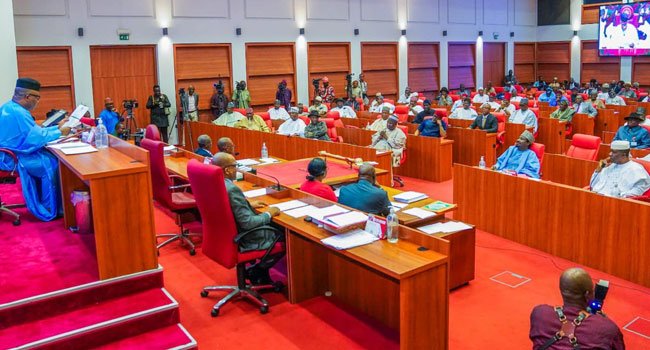
IN the rarified air of academia, where specialisation often reigns supreme, it takes a bold intellectual to remind us of the power of the generalist medicine.
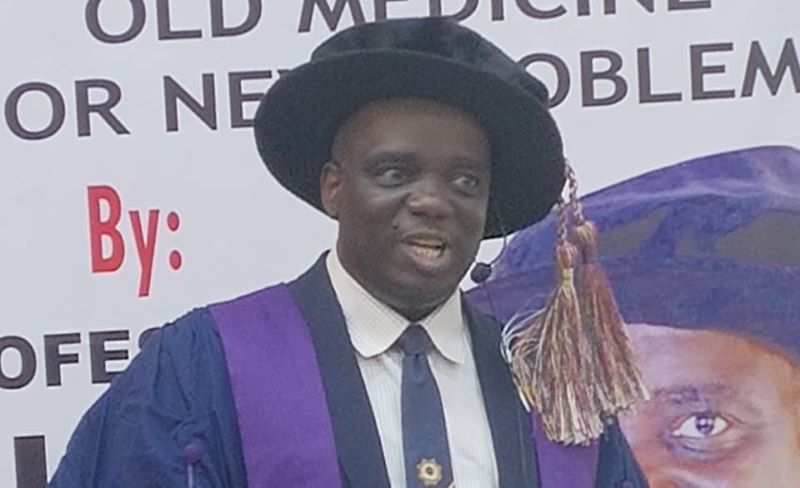
Professor Musa Dankyau, the Deputy Vice-Chancellor of Bingham University, proved to be precisely that intellectual when he delivered the institution’s 11th Inaugural Lecture on the theme, “The Protean Nature of Family Medicine and Primary Care: Old Medicine for New Problems.”
Read also: Subsidy Na Subsidy, President Tinubu – By Abidemi Adebamiwa

The lecture, held at the university’s main campus in Karu, was not merely a customary academic ritual; it was a masterful diagnosis of Nigeria’s ailing health sector and a passionate prescription for its cure.


True to the cherished academic tradition at Bingham University where inaugural lectures serve to formally introduce a professor’s chair to the academic community and promote lifelong intellectual engagement, Prof. Dankyau used the platform to dissect his speciality with both scholarly rigour and profound societal relevance.
As someone who has followed the university’s recent scholarly output from the 1st lecture on economic models to the valedictory lecture on maternal mortality, I can assert that Prof. Dankyau’s address stands out for its timely and almost poetic framing of a persistent challenge . The title itself, invoking the word “Protean,” hinted at the central thesis: Family Medicine is not a static, outdated concept, but a dynamic and adaptable entity, constantly changing shape to meet the evolving needs of humanity.
On the relevance of family medicine in a changing world as it pertains current medical challenges, Prof. Dankyau argued convincingly that while Nigeria chases the latest medical technologies and specialities, the country have often neglected the bedrock of any effective health system: robust Primary Care.
Read also: Atiku’s Demagoguery In The Face Of Tinubu’s Logical Policies – By Sunday Dare
He painted a vivid picture of Family Medicine as the “old medicine”, a trusted, continuous, and personal relationship between a doctor and a community. This “old medicine,” he posited, holds the solutions to our “new problems”: the rising tide of non-communicable diseases, the double burden of infectious outbreaks, and the fragmentation of specialist care that leaves patients feeling lost in the system.

Drawing parallels to the university’s consistent advocacy for home-grown solutions to national challenges a theme echoed by Vice-Chancellor Prof. Haruna Kuje Ayuba at previous lectures, Prof. Dankyau made a compelling case for reorienting health policy towards community-based care . He challenged the prevailing narrative that equates quality healthcare solely with tertiary hospitals, reminding the audience that for the vast majority of Nigerians, the first point of contact with the health system is, or should be a well-functioning primary care centre and a skilled family physician.
What made the lecture particularly compelling was the seamless blend of theory and practice. Prof. Dankyau did not just speak as an academic; he spoke as a clinician who has witnessed the consequences of a broken system. He shared anecdotes that illustrated the “protean” nature of the family doctor, part healer, part counsellor, part public health advocate, and part health system navigator.
This resonated deeply with the audience, which included principal officers of the university, faculty members, students, and health stakeholders. It echoed the sentiments of recent lectures at Bingham, such as Prof. Lucy Idoko’s valedictory address on maternal health, which highlighted the dire state of primary healthcare centres where only a fraction are fully functional . Prof. Dankyau built on this foundation, offering not just a critique of the dysfunction but a roadmap for revitalization through the Family Medicine model.

By the time Prof. Dankyau concluded, the metaphorical “plaque of honour” that was presented to him felt well-earned. He had successfully defended his chair while simultaneously issuing a clarion call to policymakers, healthcare workers, and academics.
Read also: When Will Nigerian Leaders Build Worthy Stadiums? – By Martins Oloja
He urged the government to look beyond vertical, disease-specific programs and invest in strengthening the horizontal fabric of primary care. He called on his colleagues in academia to train future doctors who are not only clinically excellent but also deeply committed to community medicine. And he reminded the public of the value of having a “family doctor” a guide through the often-chaotic medical landscape.
In the rich tapestry of Bingham University’s inaugural lecture series, Prof. Musa Dankyau’s 11th lecture will be remembered as a moment of clarity. It was a powerful reminder that in our quest for the shiny and new, we must not discard the foundational. For a nation grappling with complex health challenges, the “old medicine” of Family Medicine, as Prof. Dankyau so eloquently demonstrated, might just be the most innovative solution we have.
- Abu, is the Deputy President, Nigerian Guild of Editors.