

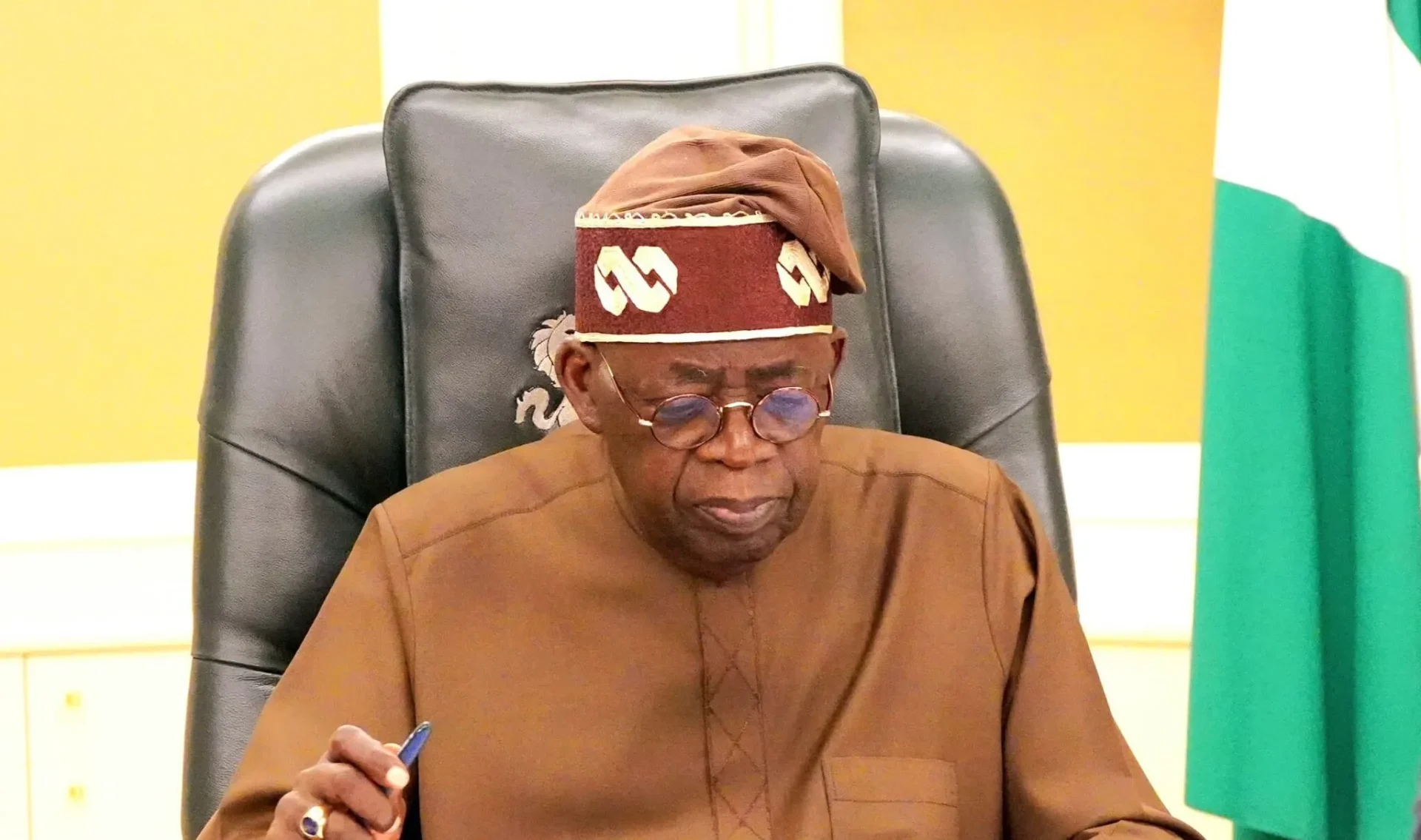
PRESIDENT Bola Ahmed Tinubu has approved a sweeping ₦3.3 trillion payment plan aimed at clearing longstanding debts in Nigeria’s power sector, a move expected to significantly improve electricity generation and supply across the country.
The approval, announced in a statement sent to News Point Nigeria on Sunday, marks a major milestone under the Presidential Power Sector Financial Reforms Programme, designed to resolve legacy financial obligations that have weighed down the industry for over a decade.
According to the statement, the debts accumulated between February 2015 and March 2025 have now undergone a comprehensive verification process, with ₦3.3 trillion agreed upon as a “full and final settlement” to ensure transparency and fairness.


Implementation of the repayment plan is already underway, with 15 power generation companies (GenCos) signing settlement agreements worth ₦2.3 trillion. The Federal Government has so far mobilised ₦501 billion to kick-start the process, out of which ₦223 billion has already been disbursed. Further payments are ongoing.
The development is expected to stabilise Nigeria’s fragile power value chain, particularly by improving liquidity for generation companies and ensuring timely payments to gas suppliers — a key factor in sustaining electricity production.
Explaining the significance of the initiative, the Special Adviser to the President on Energy, Olu Arowolo-Verheijen, said the programme goes beyond debt settlement and is central to rebuilding trust within the sector.
“This programme is not just about settling legacy debts. It is about restoring confidence across the power sector ensuring gas suppliers are paid, power plants can keep running, and the system begins to work more reliably,” she said.
She added that the initiative forms part of broader reforms already being implemented by the administration, including improved metering systems and service-based tariffs that align electricity costs with quality of supply.
The government is also placing strategic emphasis on delivering stable electricity to businesses, industries, and small enterprises, recognising reliable power as a critical driver of economic growth, job creation, and improved livelihoods.

For Nigerians, the immediate impact of the intervention is expected to be more consistent electricity supply, as power plants receive the financial support needed to operate efficiently.
As the sector stabilises, officials say the reforms will unlock fresh investments, enhance service delivery, and strengthen the overall performance of the electricity market.
President Tinubu also commended stakeholders across the power sector for their roles in resolving the longstanding issues and confirmed that the next phase of the programme, known as Series II, is set to commence within the current quarter.


The initiative represents one of the most ambitious financial interventions in Nigeria’s power sector in recent years, raising hopes that the country may finally be on the path to achieving reliable and sustainable electricity supply.