GLOBAL oil markets and maritime activity showed early signs of recovery on Wednesday as the ceasefire agreement between the United States and Iran triggered a sharp drop in crude prices and allowed limited movement through the strategic Strait of Hormuz.

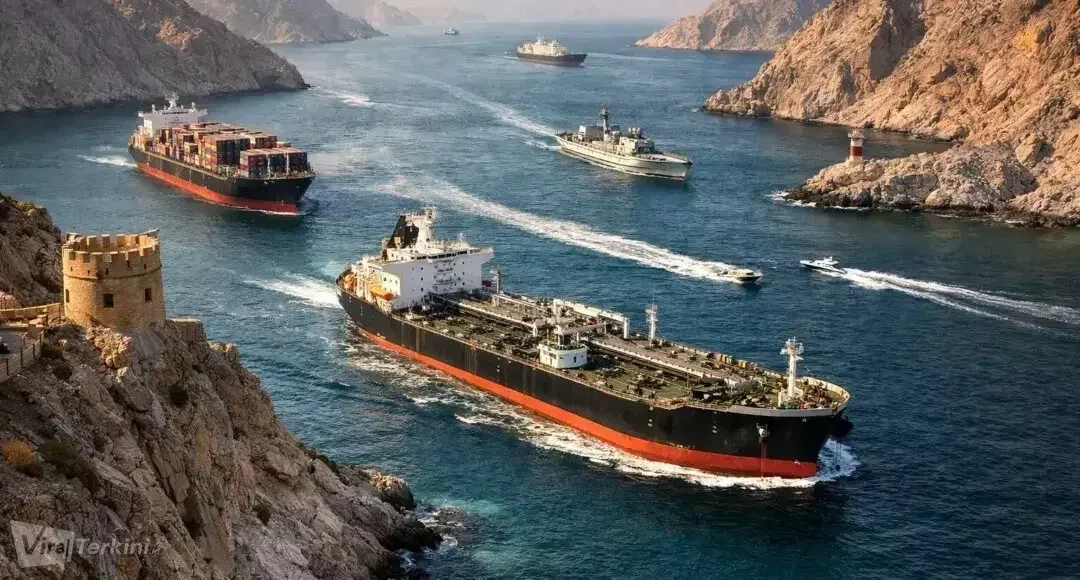
News Point Nigeria reports that within hours of the truce announcement, at least two vessels successfully navigated the critical waterway, signalling what analysts describe as a cautious but significant step toward restoring normal shipping operations.

Read also: Immigration Crackdown: US Releases Names, Photos Of 24 Nigerians Arrested Over Alleged Crimes

According to maritime tracking platform MarineTraffic, the Greek-owned bulk carrier NJ Earth crossed the Strait of Hormuz at 08:44 UTC, while the Liberia-flagged Daytona Beach had earlier transited at 06:59 UTC after departing Iran’s Bandar Abbas port.


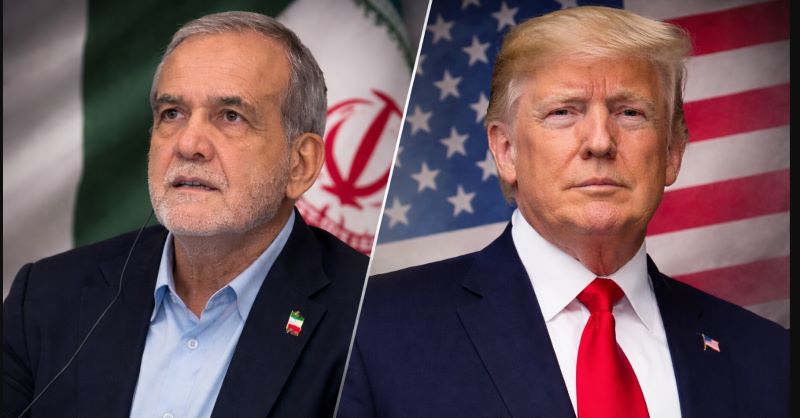
The development followed the overnight agreement between the United States and Iran on a two-week ceasefire, brokered under conditions that include the reopening of the Strait of Hormuz for coordinated maritime passage.
Iran’s Foreign Minister, Abbas Araghchi, confirmed that transit through the vital waterway would be permitted in collaboration with Iran’s Armed Forces, effectively easing weeks of severe restrictions imposed during heightened hostilities.
Despite the breakthrough, experts urged caution in interpreting the initial ship movements. Ana Subasic, an analyst at Kpler, the parent company of MarineTraffic, noted that while the transit of NJ Earth could indicate the beginning of broader reopening, it may also represent a previously authorised passage rather than a full resumption of traffic.

The vessel reportedly maintained its transponder signal while passing through an Iranian-approved route near Larak Island, a corridor that has remained in limited use throughout the crisis.
“While we expect more crossings in the coming days, this first transit should be interpreted carefully from a risk and compliance perspective,” Subasic said.

The reopening comes after weeks of disruption that saw access to the Strait drastically curtailed in retaliation for US and Israeli strikes beginning February 28. Between March 1 and April 7, only 307 commodity carrier crossings were recorded—a staggering 95 per cent drop compared to normal traffic levels.
Shipping sources estimate that as many as 800 vessels remain stranded in the Gulf, with operators now preparing to resume movement as confidence gradually returns.
Read also: US Threatens To Restrict Military Support To Nigeria Over Child Soldier Recruitment


The Strait of Hormuz remains one of the world’s most critical energy corridors, accounting for roughly one-fifth of global crude oil and liquefied natural gas shipments in peacetime.
The easing of tensions had an immediate and dramatic impact on global oil markets. Crude prices plunged below $95 per barrel in early trading on Wednesday, marking a steep decline of about 13 per cent—one of the sharpest single-day drops in recent years.
The selloff followed the ceasefire announcement by U.S. President Donald Trump, who confirmed a temporary halt to military operations in exchange for the reopening of the key shipping route.
West Texas Intermediate (WTI), the U.S. benchmark, also fell sharply to between $95 and $96 per barrel, reflecting a rapid unwinding of the geopolitical risk premium that had driven prices above $110 per barrel at the peak of the conflict.
Market analysts say the ceasefire has restored some level of confidence in the continuity of global oil supply, prompting traders to reverse earlier positions built on fears of prolonged disruption.
However, despite the sharp correction, caution remains. Analysts warn that oil prices are still elevated compared to pre-conflict levels, and uncertainties surrounding the durability of the ceasefire could sustain volatility in the coming weeks.
In Nigeria, the development has raised expectations of a possible reduction in fuel prices, which have surged significantly since the onset of the crisis.
The World Bank had earlier warned that fuel costs have risen by more than 50 per cent since the conflict began, worsening inflationary pressures and straining household incomes.
Speaking at the Nigeria Development Update presentation in Abuja, the World Bank’s Lead Economist for Nigeria, Fiseha Haile, noted that while overall economic activity has remained relatively resilient, the impact of rising energy costs continues to ripple through the economy.
Read also: 2027 Elections: ‘Algorithms Will Not Decide Who Governs Nigeria,’ Amupitan Declares
“Overall business activity has been expanding over the past few months, suggesting the impact on growth has been relatively contained. But the shock is still being felt through higher inflation,” Haile said.
As markets respond to the fragile truce and shipping activity slowly resumes, stakeholders across the energy and logistics sectors are closely watching developments to determine whether the ceasefire will translate into sustained stability for global trade and oil supply chains.