

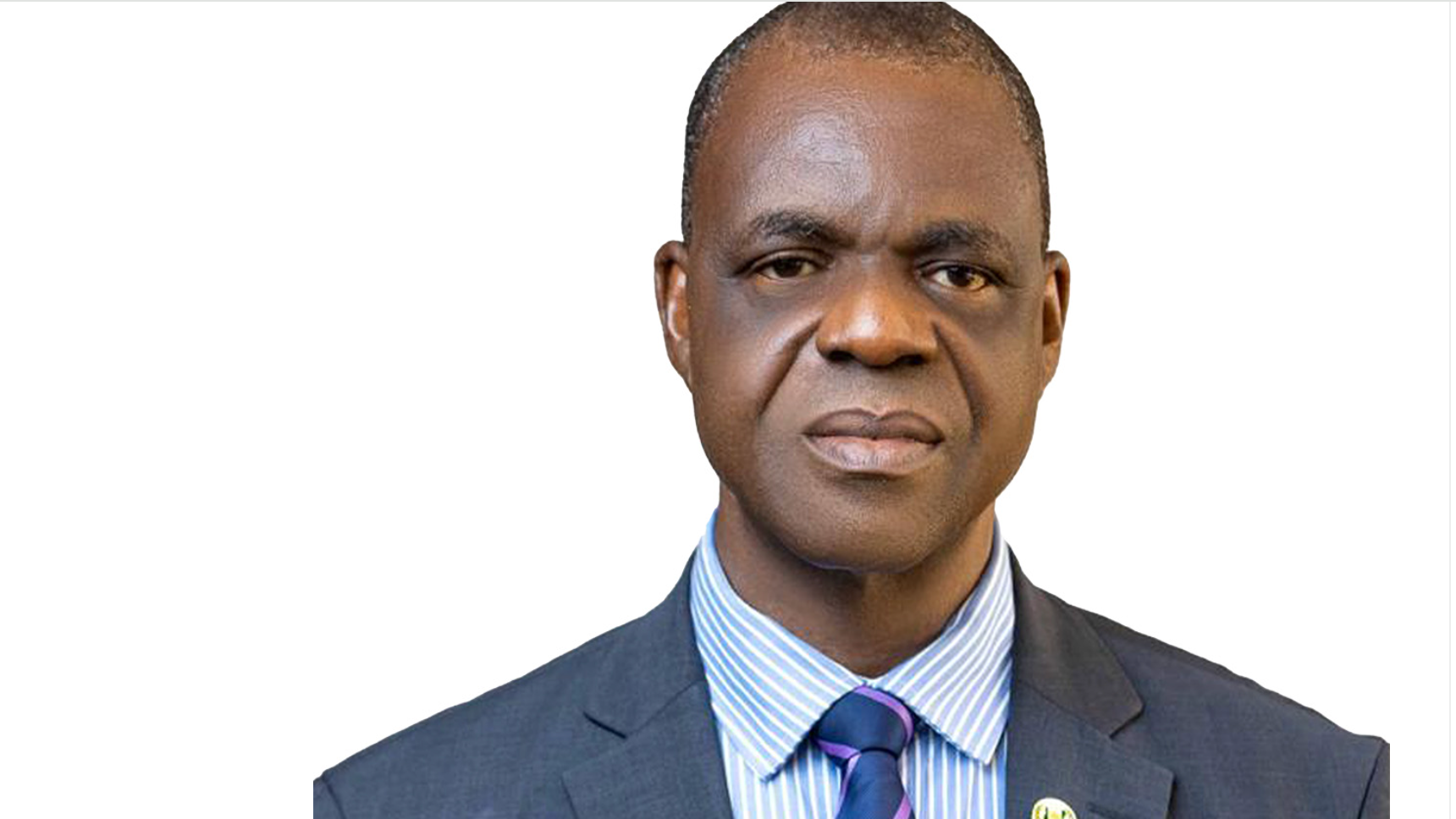
THE Chief Judge of the Federal High Court, John Terhemba Tsoho, has formally indicated his intention to honour an invitation by the Code of Conduct Bureau (CCB) over allegations of non-declaration of assets.

In a statement sent to News Point Nigeria on Monday and signed by the Director of Information of the Federal High Court, Dr Catherine Oby Christopher, Justice Tsoho affirmed his willingness to cooperate fully with the Bureau in line with constitutional provisions and due process.
According to the statement, the Chief Judge has asked the CCB to schedule his appearance for any date beginning from the week of March 16, 2026, describing that timeframe as most convenient.


The statement clarified that Justice Tsoho remains committed to transparency and respect for the rule of law.
“In accordance with his constitutional right to consult and be represented by counsel of his choice, his legal representative, Kanu Godwin Agabi, CON, SAN, has indicated his readiness to accompany the Honourable Chief Judge to the Bureau upon his return to Nigeria,” the statement read.
Agabi is currently outside the country for medical reasons but has expressed readiness to appear alongside the Chief Judge once he returns.
The court noted that this position had been formally communicated to the CCB, reaffirming Justice Tsoho’s willingness to participate fully in the investigative process in compliance with constitutional safeguards.
Justice Tsoho is facing allegations contained in a petition accusing him of failing to fully declare his assets, contrary to provisions of Nigeria’s Code of Conduct law.
Specifically, the petition claims that the Chief Judge did not disclose three accounts allegedly held with the United Bank for Africa (UBA) and another account with Access Bank.

The Code of Conduct Bureau is constitutionally empowered to verify asset declarations of public officers and investigate alleged breaches.
Should the Bureau find prima facie evidence of wrongdoing, it may refer the matter for prosecution before the Code of Conduct Tribunal.
Under the law, conviction for asset declaration violations can attract penalties including up to 10 years’ imprisonment and disqualification from holding public office for a similar period.


However, legal analysts note that the investigative stage does not automatically imply guilt, as due process requires that allegations be thoroughly examined and substantiated before any charges are filed.
The Federal High Court emphasised that Justice Tsoho remains fully committed to cooperating with the authorities and upholding the integrity of the judiciary.
“The Hon. Chief Judge reiterates his commitment to due process, transparency, and respect for the rule of law,” the statement added.