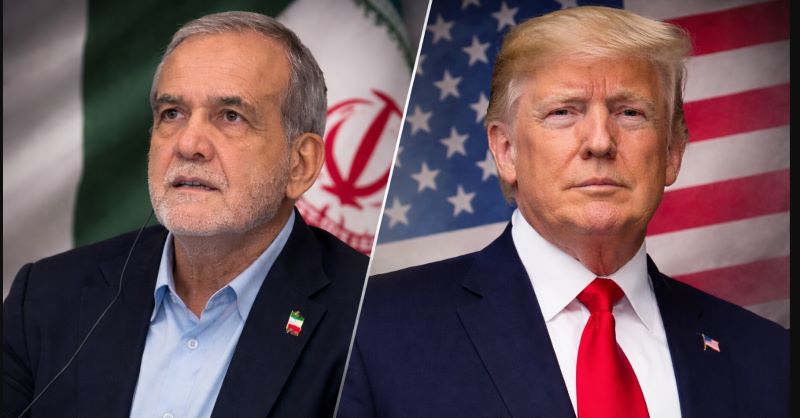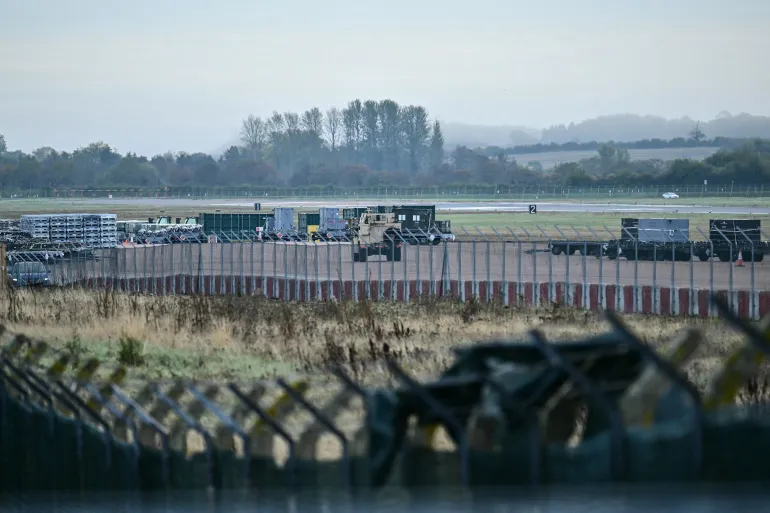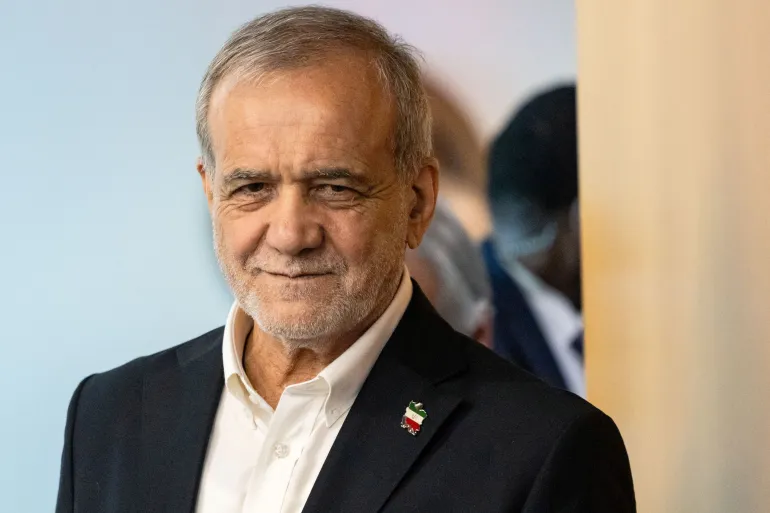
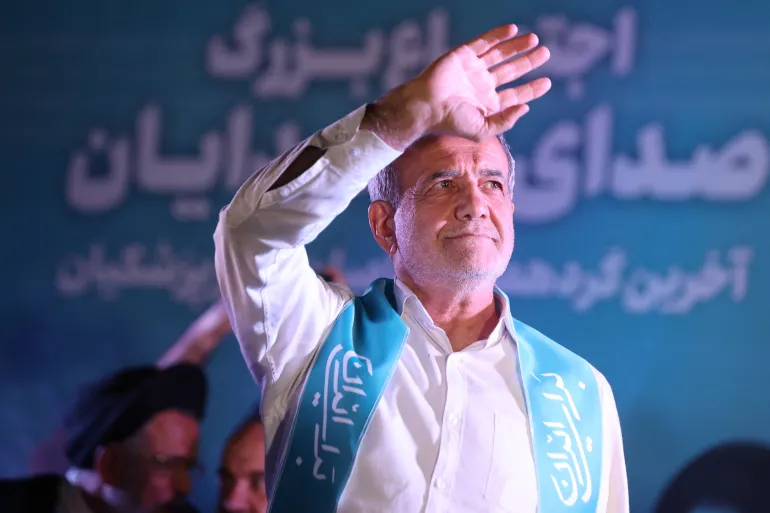
IRAN’s President Masoud Pezeshkian has signed a law suspending cooperation with the International Atomic Energy Agency (IAEA), amid growing tensions between Tehran and the UN nuclear watchdog following Israeli and US attacks on Iranian nuclear facilities last month.
“Masoud Pezeshkian promulgated the law suspending cooperation with the International Atomic Energy Agency,” Iranian state TV reported on Wednesday.

Read also: Trump Calls On Ukraine To Replace Zelenskyy Amid Clash Over Russia Deal
The announcement comes a week after Iran’s parliament passed legislation to suspend cooperation with the IAEA, citing Israel’s June 13 surprise attack on Iran and later strikes by the US on Iranian nuclear facilities.
According to the parliament resolution, IAEA inspectors will not be allowed to visit nuclear sites without approval from Iran’s Supreme National Security Council.
During a daily briefing, the spokesperson for the United Nations Secretary-General Antonio Guterres said the Iranian decision was “obviously concerning”.
“I think the secretary-general has been very consistent in his call for Iran to cooperate with the IAEA, and, frankly, for all countries to work closely with the IAEA on nuclear issues,” Stephane Dujarric told reporters.

Read also: Gaza Ceasefire ‘Exists In Name only’, More Than 100 NGOs Say
In response to Pezeshkian formally enacting the suspension, Israeli Foreign Minister Gideon Saar urged European signatories of the 2015 nuclear deal to trigger the “snapback” mechanism and reinstate all UN sanctions on Iran.

The snapback, set to expire in October, was part of the nuclear accord that collapsed after the United States withdrew in 2018. Iran began scaling back commitments a year later.
US Department of State spokesperson Tammy Bruce said the suspension was “unacceptable” and that Tehran must cooperate fully with the UN watchdog without further delay.
“It is worth repeating, as we’ve made tremendous strides to this through Donald Trump’s leadership, Iran cannot and will not have a nuclear weapon,” she said.


Germany said Iran’s decision sends a “disastrous signal”.
Read also: How Israel’s Genocide In Gaza Pulled Britons Into The Palestine Movement
“For a diplomatic solution, it is essential for Iran to work with the IAEA,” German foreign ministry spokesperson Martin Giese told reporters.
The IAEA, in a statement, said it was “awaiting further official information from Iran”.