

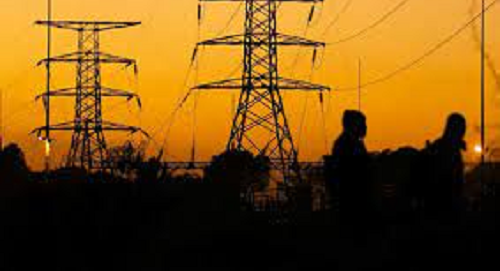
THE National Grid on Tuesday recorded its second collapse in 2026.
News Point Nigeria reports that as of the time of filing this report, data showed zero megawatts of power supply to the 11 electricity distribution companies.
The Grid had recorded its first collapse in the year last Friday, barely weeks after a similar incident on December 29, 2025, which had caused widespread power outages across the country.


Grid collapses have been attributed to a combination of technical faults, inadequate maintenance of transmission lines, and fluctuations in generation capacity.
Electricity generation dropped sharply from over 4,500 megawatts to as low as 0 megawatts as of 11: 00 AM.
Checks by News Point Nigeria showed that all 23 power generation plants connected to the grid reportedly lost output during the incident, resulting in zero power allocation to each of the 11 electricity distribution companies.
The cause of the collapse could not be immediately determined, and officials of the Transmission Company of Nigeria had yet to issue a detailed statement at the time of filing this report.
However, the grid added that the recovery process was underway.
The Grid, in another post, while conversing with an X user, listed metering and grid expansion as part of the long-term panaceas to the constant system collapse.

“Metering is a huge part of the long term solution.
“Nigeria’s supply still depends on how much power is generated, transmitted, and how stable the grid is.
“So even with a meter, outages can still happen if there’s not enough electricity on the grid or if there are infrastructure failures.


“However, metering is a critical foundation for improved supply. When DisCos are properly paid for the electricity actually consumed, their revenues improve”, it said in part.
“Also, customers stop paying estimated bills, which could be outrageous sometimes.
“The positives: GENCOs get paid, gas suppliers get paid, and maintenance improves.
“Over time, this creates the financial confidence needed to invest in transformers, lines, substations, and better customer service.
“Proper metering brings fairness, transparency, and trust then constant power comes later.
‘The grand is when metering is combined with grid expansion, better transmission capacity, gas availability, and strong regulation”, the Grid noted.