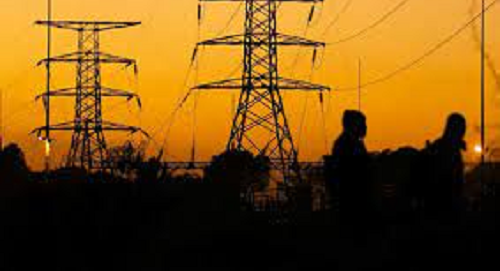
NIGERIA’s electricity generation has fallen below the 4,000 megawatt threshold, following persistent gas supply shortages affecting thermal power plants across the country.

The development was disclosed on Thursday by the Nigerian Independent System Operator (NISO), which manages the country’s national electricity grid.

Read also: CJN Kekere-Ekun Swears In 68 New Senior Advocates Of Nigeria

According to the system operator, total electricity generation on the national grid stood at 3,940.53 megawatts as of 5:00 a.m., highlighting ongoing fuel supply constraints that continue to limit output from gas-fired power plants.


In a statement sent to News Point Nigeria, titled “Gas Constraints Lead to Temporary Reduction in Power Generation,” NISO explained that the drop in electricity generation was caused by limited gas supply to several generating stations.
“The Nigerian Independent System Operator wishes to inform stakeholders and the public of the continued decline in electricity generation on the national grid arising from persistent gas supply constraints affecting several thermal power plants,” the agency stated.
It added that the generation figure recorded early Thursday morning was already below expected capacity due to existing gas supply limitations.

The situation worsened within hours as some power generation units were forced to shut down due to insufficient gas supply.
According to the grid operator, several generating units went offline between 6:00 a.m. and 8:00 a.m., causing a further reduction in electricity output.

“Between 06:00 hours and 08:00 hours, several generating units were forced to shut down as a result of inadequate gas supply to the plants. This resulted in a cumulative reduction of approximately 292MW in available generation on the grid during the period,” the statement noted.
The shutdown of these plants contributed to worsening power supply shortages currently being experienced in parts of the country.
The latest drop in generation comes barely weeks after the system operator warned of similar generation shortfalls earlier in February 2026.


At the time, the grid operator reported electricity generation of about 4,300MW, already affected by gas supply limitations.
The current output of 3,940.53MW therefore represents a further decline in the country’s electricity generation capacity, underscoring the growing impact of fuel shortages on Nigeria’s power sector.
Operational data released by the system operator showed that thermal power plants connected to the national grid require approximately 1,588.61 million standard cubic feet of gas per day to operate at optimal capacity.
Read also: 2027 Elections: ‘Algorithms Will Not Decide Who Governs Nigeria,’ Amupitan Declares
However, current gas supply stands at only 652.92 million standard cubic feet per day, representing just about 40 per cent of the required volume.
“This shortfall has significantly affected the ability of thermal power plants to operate at optimal capacity and has further reduced the total generation available for dispatch to the national grid,” NISO stated.
The system operator said it is working closely with electricity generation companies and gas suppliers to resolve the situation and restore fuel supply to affected power plants.
According to the agency, discussions are ongoing with stakeholders to stabilise gas delivery and gradually restore electricity generation.
“NISO is actively working with the affected Generation Companies and relevant gas suppliers to closely monitor the situation and facilitate the restoration of generation as soon as gas supply to the affected plants stabilises,” the statement said.
Despite the decline in electricity generation, the system operator said it is implementing operational measures to maintain stability on the national grid.
“The System Operator continues to take necessary operational measures to maintain grid stability while managing the impact of the reduced generation on the network,” the agency stated.
Structural Challenges In Nigeria’s Power Sector
Nigeria’s electricity system is heavily dependent on gas-fired thermal power plants, which account for more than 70 per cent of electricity supplied to the national grid.
However, the sector continues to face recurring gas supply challenges caused by multiple structural issues.
These include pipeline vandalism, inadequate gas infrastructure, payment disputes between generation companies and gas suppliers, and the diversion of gas to export markets where prices are more attractive.
Despite possessing one of the largest natural gas reserves in Africa, Nigeria’s power plants frequently operate far below installed capacity due to supply bottlenecks and infrastructure constraints.
The government has repeatedly pledged to tackle the problem through policies aimed at increasing domestic gas production, expanding pipeline networks and strengthening payment guarantees within the electricity market.
Read also: US Threatens To Restrict Military Support To Nigeria Over Child Soldier Recruitment
Meanwhile, NISO assured electricity consumers and stakeholders that it will continue to provide updates on developments affecting the national grid.
“NISO remains committed to keeping stakeholders and the public informed on developments affecting the national grid,” the statement concluded.