
BY now, Nigerians have mastered a disturbing routine.
We wake up each morning and instinctively reach for our phones, only to be confronted by another grim update: fresh kidnappings somewhere in the country, another village under attack, reports of fallen soldiers, missing loved ones, official condolences and the same familiar promises that things will soon improve.

Read also: Nigerians’ Mental Health Is Under Siege – By Boma West
Then breakfast follows.

Life goes on.
Perhaps that is our greatest national tragedy. We have not only normalised insecurity; we have also normalised the conversations around it. Death has become just another headline. Grief has become something to scroll past, and justice, once considered sacred, has somehow become negotiable.


The horror no longer shocks us the way it once did. The outrage is shorter. The mourning is quieter. In many ways, Nigerians have been conditioned to absorb pain and continue with daily life because stopping to process every tragedy would mean confronting the enormity of the crisis engulfing the country.
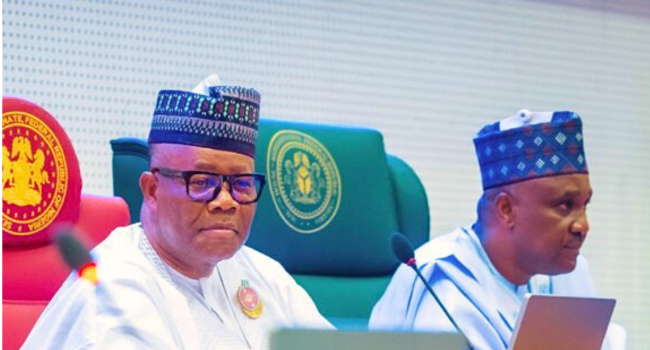
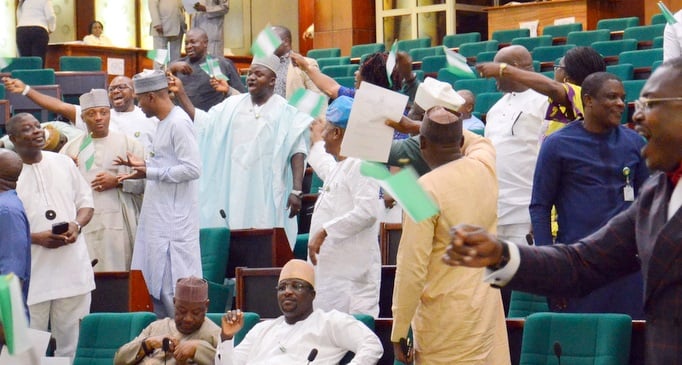
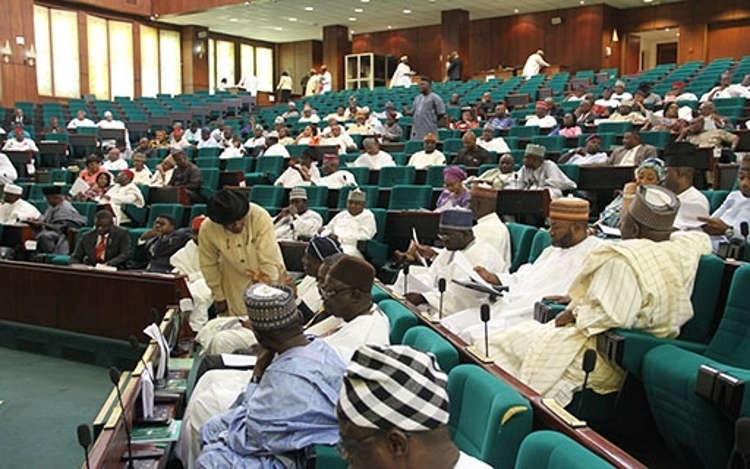
Recently, during proceedings in the House of Representatives, Yusuf Gagdi argued against extending mercy to so-called “repentant bandits.” Before many Nigerians could even digest the substance of what he was saying, voices emerged from within the chamber, urging him to keep quiet and sit down.
“Sit down.”

That was the interruption.
Not the thousands of graves scattered across the country from Zamfara to Plateau, from Borno to Benue. Not the farmers who can no longer access their farmlands because armed groups have turned fertile communities into battlefields. Not the children who now grow up with the word “kidnap” in their vocabulary long before they can properly spell “democracy.”
It was not the countless communities emptied by fear, nor the displaced families struggling to rebuild lives shattered by violence.


No.
The problem, apparently, was that someone was speaking too loudly about justice.
Perhaps I have misunderstood what representation means.
I had always thought lawmakers were elected to echo the cries of the people. I believed they were chosen to carry the fears, frustrations and hopes of ordinary Nigerians into the chambers of power. I assumed the National Assembly belonged to the citizens, especially those whose voices have been permanently silenced by bullets, abductions and violence.
Maybe I have been reading the Constitution upside down.
Because if demanding accountability generates more discomfort than discussing the rehabilitation of killers, then something is fundamentally broken within our national conscience.
We must ask the uncomfortable question that many would rather avoid: repentant from what exactly?
Repentant for kidnapping schoolchildren and holding them in forests while their families sold land, livestock and homes to raise ransom? Repentant for ambushing travellers whose only offence was taking the wrong road at the wrong time? Repentant for reducing farming communities to graveyards and forcing thousands into camps for displaced persons?
Or are they repentant for years of violence that have left entire generations traumatised?
Repentance, after all, is a moral matter.
Crime, on the other hand, is a legal matter.
One does not erase the other.
Every society believes in redemption. Every religion teaches forgiveness. Every culture recognises the possibility of personal transformation. But forgiveness cannot abolish justice. If it could, then the institutions upon which modern societies are built would lose their meaning.
Why do we have courts?
Read also: Will A Nobel Solve The World’s Trump Problem? The President Thinks So – By Azu Ishiekwene
Why do we maintain prisons?
Why do we enact laws?
These institutions exist because justice is not merely about punishment; it is about acknowledging wrongdoing and affirming the dignity of victims.
Justice is not revenge.
Justice is society saying to victims: “We saw what happened to you, and your pain matters.”
Without justice, forgiveness risks becoming an insult to those who are still burying loved ones or searching for relatives who never returned home. Without accountability, peace becomes a fragile arrangement built on unresolved wounds and suppressed anger.
Many argue that rehabilitation promotes peace and national reconciliation. That argument deserves consideration. Yet peace built upon unaddressed injustice is often temporary and unstable because it asks victims to shoulder the burden of moving on while offenders are offered another opportunity to begin again.
What, exactly, are we asking grieving families to forgive?
The empty chairs at dinner tables?
The futures that were cut short before they could begin?
The children who still wake up screaming in the middle of the night?
The mothers who cannot visit a grave because there was no body to bury?
These are not abstract questions debated in air-conditioned conference halls. They are realities confronting millions of Nigerians every day.
At moments of frustration and helplessness, one is tempted to whisper a dangerous prayer: “May Nigeria happen to those who make light of our suffering.”
But conscience quickly intervenes, reminding us that wishing tragedy upon others only multiplies the pain that already defines too much of our national experience.
Perhaps, instead, we should pray for something else.
May empathy happen to them.
May they truly understand the weight of representing people whose lives are measured in fear and uncertainty. May they remember that every debate held in Abuja reverberates across villages and towns where citizens sleep with one eye open, uncertain of what the night may bring.
May they understand that public office is not merely about occupying seats or making speeches. It is about carrying the burdens of millions who entrusted them with power.
And if they cannot bear that responsibility, then perhaps they should free those seats for people who can.
History is watching.
One day, our children will ask difficult questions about this era. They will ask what their leaders did when communities burned, when roads became death traps, when schools became targets and when entire regions lived under the shadow of fear.
I sincerely hope that the answer will not be that, in one of the country’s defining moments, those who demanded justice were simply asked to “sit down.”
Justice has never been too loud.
Read also: Ondo Crash: Senate, Reps Demand Aircraft Audit, Probe Into Air Force Maintenance Funding
Perhaps it is our silence that has become deafening.
Voice, just cleared its throat!
- Kabara is a writer and public commentator. Her syndicated column, Voice, appears in News Point Nigeria newspaper on Monday. She can be reached at hafceekay01@gmail.com.