
FUEL importers are set to increase the depot price of petrol from N1,230 per litre to N1,350 per litre, raising fresh fears of fuel scarcity and another round of price hikes across the country.

News Point Nigeria gathered that industry players have already notified marketers of the new depot price, which is expected to take effect from July 17, a development that could force filling stations to raise pump prices nationwide.

Read also: ‘There Was Nothing Left To Pay For Subsidies’, Again, Tinubu Defends Fuel Subsidy Removal
The impending increase is expected to compound the burden on consumers, with industry operators warning that the higher landing cost of imported cargoes will inevitably be transferred to motorists and other end users.

Sources familiar with the development told this newspaper on Thursday that the revised depot price reflects the rising cost of imported petroleum products.
The development comes on the heels of a fresh round of fuel import licences issued by the Nigerian Midstream and Downstream Petroleum Regulatory Authority (NMDPRA) for the third quarter of 2026.


The licences authorise selected marketers to import petrol and diesel into the country between July and September.
According to a market intelligence report by Argus, approvals to import petrol were granted to AA Rano, AYM Shafa, Bono, NIPCO and Pinnacle.
Read also: FG Releases Additional ₦4.04bn To Pay 600 Former Nigeria Airways Workers

Similarly, AA Rano, AYM Shafa, Bono, Matrix and Pinnacle reportedly secured licences to import diesel during the same period.
The latest price adjustment comes just days after the resurgence of the conflict between the United States and Iran, which has disrupted the free passage of vessels through the Strait of Hormuz, one of the world’s most important oil shipping routes.
Commenting on the increase, an industry source said the development runs contrary to the objective behind issuing additional import licences, which was intended to stimulate competition and moderate domestic fuel prices.


“The expectation was that additional import licences would encourage competition and provide consumers with more pricing options. Instead, importers are announcing higher prices that will ultimately be passed on to Nigerians,” the source said.
Another petroleum products marketer noted that filling stations sourcing fuel from importers would have little option but to adjust their pump prices to reflect the increased cost of procurement.
Read also: 2027: INEC Warns Politicians, Officials Against Vote Tampering, Threatens Jail
“Retailers buying imported products have little choice but to pass the increase onto consumers. That is how the market works,” the marketer stated.
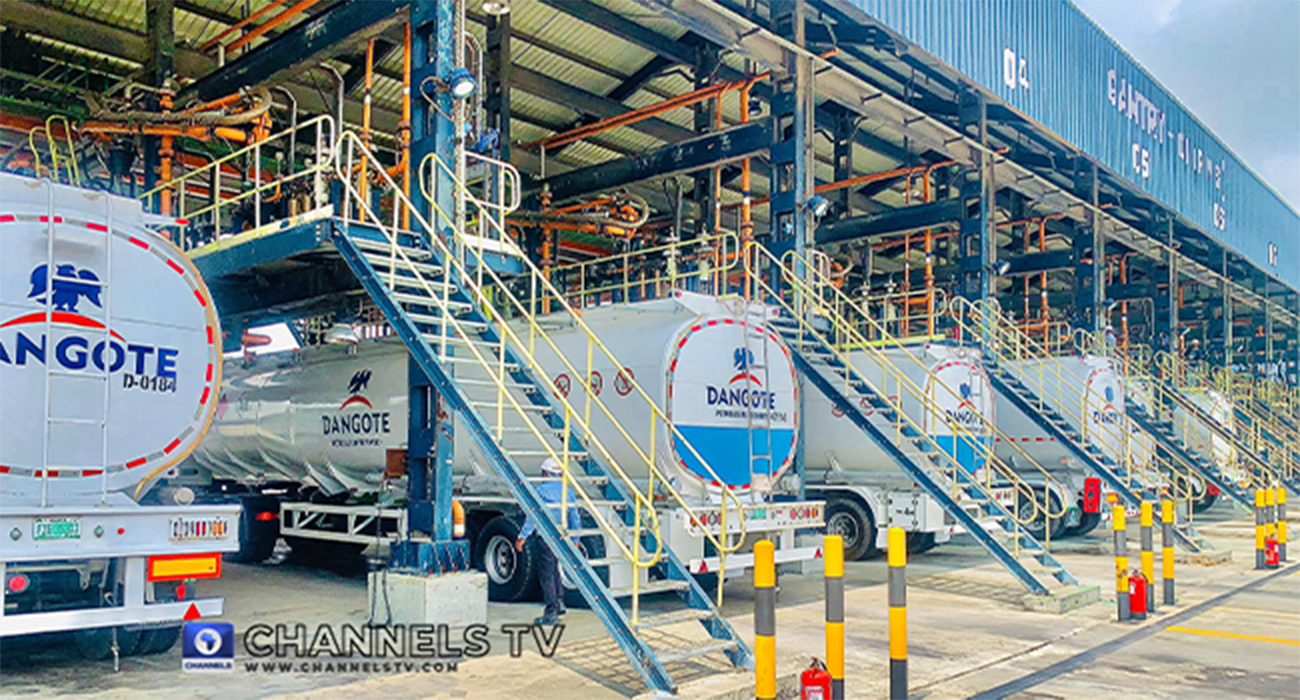
The marketer, however, pointed out that petroleum products supplied by the Dangote refinery remain cheaper despite the latest upward review in depot prices.