

RESIDENT and businesses across Kano metropolis and surrounding areas were thrown into darkness on Wednesday following the commencement of an indefinite strike by workers of the Kano Electricity Distribution Company (KEDCO) over alleged poor working conditions and unresolved welfare issues.

The strike was jointly declared by the Senior Staff Association of Electricity and Allied Companies (SSAEAC) and the National Union of Electricity Employees (NUEE) after the expiration of an ultimatum issued to KEDCO management, which elapsed on Tuesday, January 20, 2026, without a resolution.
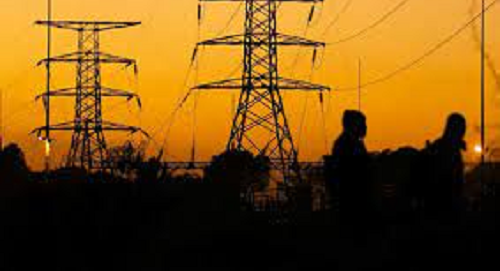
As early as Wednesday morning, union members shut down operations at KEDCO facilities, including the company’s headquarters, leading to widespread power outages that disrupted commercial activities, healthcare services, water supply systems, and household routines across Kano.


Speaking to journalists shortly after union members picketed the KEDCO head office, the Deputy President-General (North) of SSAEAC, Rilwan Shehu, said the strike was inevitable due to the management’s persistent failure to honour agreements reached with workers.
“We are here to lock down activities because the management has failed to comply with several agreements,” Shehu said.
“Since 2014, workers have been grappling with unresolved issues ranging from non-remittance of pension deductions to unpaid death benefits and poor working conditions. Many of these issues have been repeatedly sidelined,” he added.
Shehu noted that the unions had exercised patience for years, but were left with no option than to shut down operations after management allegedly ignored repeated appeals.
Also addressing journalists, the Vice President (North-West) of NUEE, Ado Gaya, accused KEDCO management of conducting a biased promotion exercise that favoured a select group of staff while sidelining others.
“Some staff have worked here for ten or eleven years without a single promotion,” Gaya alleged.

“But suddenly, in pursuit of personal interests, management is now conducting selective promotions that do not reflect fairness or equity,” he said.
According to him, the promotion exercise further worsened worker dissatisfaction and deepened mistrust between staff and management.
Management Denies Claims, Defends Actions


In a swift response, KEDCO management dismissed the unions’ allegations, insisting that significant progress had been made in addressing staff welfare issues.
In a statement issued on Wednesday, Head of Corporate Communications, Sani Bala Sani, said the current management, which assumed office seven months ago, had prioritised employee welfare and entitlements.
“KEDCO wishes to clarify that the recent picketing by SSAEAC and NUEE arose from both legacy and current staff welfare concerns,” the statement said.
“Since assuming office, management has implemented a structured welfare programme aimed at resolving outstanding issues, particularly staff pensions,” it added.
According to the company, over 80 per cent of the agreed 2025 pension remittances have already been paid.
The management also rejected claims of bias in promotions, stating that a transparent and policy-driven promotion exercise was recently conducted.
“The promotion exercise was carried out strictly in line with company policy, and 1,500 eligible staff benefited,” the statement noted.
Bala Sani added that KEDCO was actively engaging unions and other stakeholders to resolve the dispute and restore normal operations.
“The company assures all stakeholders that employee welfare remains a top priority. All necessary steps are being taken to restore stability and maintain industrial harmony,” he said.
Meanwhile, residents and business owners across Kano expressed frustration over the blackout, with many calling on both parties to urgently resolve the dispute to prevent prolonged hardship.
Hospitals, small businesses, and water supply facilities were among the worst affected, as many resorted to generators amid rising fuel costs.
As of the time of filing this report, talks between the unions and KEDCO management had yet to produce a breakthrough, while electricity supply remained disrupted across large parts of the state.