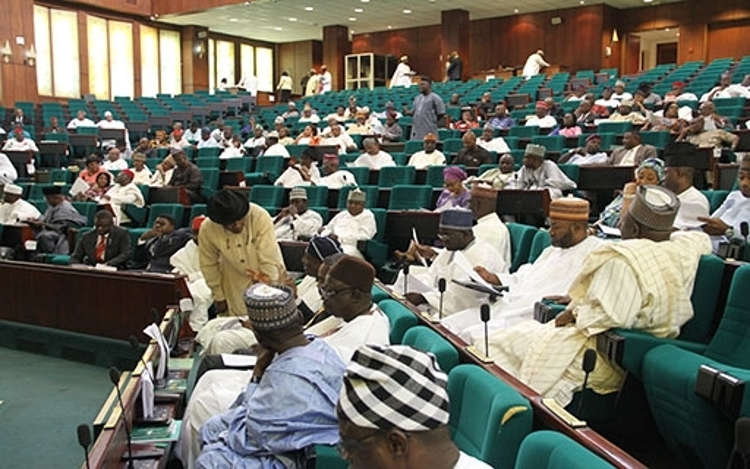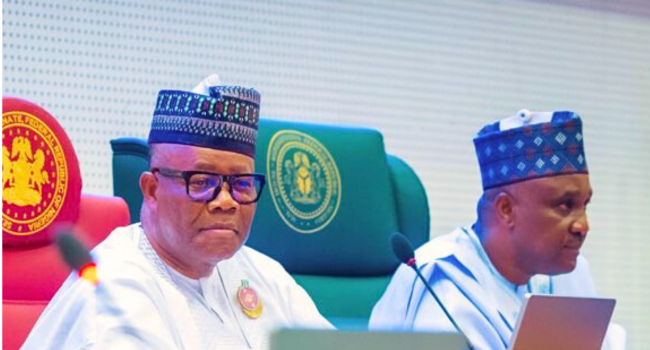

THE House of Representatives has given MTN Nigeria, Airtel, Globacom, Mafab Communications and other telecommunications operators seven days to explain the persistent poor quality of network services across the country, warning that their chief executives could face arrest summons if they fail to appear.

The ultimatum was issued on Wednesday by the House Ad Hoc Committee investigating the quality of telecommunications services in Nigeria, which directed the operators to appear before it on October 28, 2026.

Read also: Super Falcons Drop Seven Places To 43rd In Latest FIFA Women’s World Rankings
News Point Nigeria reports that the committee also ordered the companies to submit relevant documents ahead of the hearing and explain the persistent decline in service quality, which has continued to frustrate subscribers and disrupt businesses.

The committee, chaired by Olumide Osoba (APC, Ogun), took the decision at a public hearing in Abuja following the failure of some invited operators, including MTN and Mafab Communications, to honour previous invitations.
The resolution followed the adoption of two motions sponsored by Sunday Umeha and Afam Ogene.


The committee directed the Nigerian Communications Commission (NCC) to ensure that “all affected operators appear before it at 2pm on October 28 in Hearing Room 447 of the New Building of the National Assembly Complex, Abuja.”
It also ordered the companies to submit “relevant documents ahead of the hearing and explain the persistent decline in service quality, which has continued to frustrate subscribers and disrupt businesses.”
The lawmakers warned that chief executives who failed to honour the invitation could be summoned for arrest to compel their appearance.

Speaking at the hearing, Osoba said telecommunications services had become indispensable to Nigeria’s economy, extending beyond voice calls and internet access to essential commercial activities, including Point of Sale (POS) transactions.
He said “the growing dependence of businesses, financial transactions and other essential services on telecommunications networks make the persistent service disruptions a matter of serious national concern.”
Read also: NCC Compensates 75m Subscribers For Poor Telecom Service, Refunds 3m Failed Airtime Purchases

Osoba explained that the House constituted the ad hoc committee to investigate recurring complaints by subscribers and identify the factors responsible for the poor quality of services provided by telecommunications operators.
The chairman, however, expressed displeasure that some company executives had continued to avoid direct engagement with the committee by offering various excuses or sending lower-ranking officials to represent them.
He maintained that the chief executives needed to appear in person because “they are better placed to explain their companies’ operational challenges, service delivery obligations and plans to address subscribers’ complaints.”
Also speaking, Abia lawmaker Ibe Osonwa criticised the operators for what he described as a disregard for the House, despite the substantial revenue they generated from their operations in Nigeria.
Osonwa said it was unacceptable for companies benefiting from the Nigerian market to ignore invitations from the legislature, particularly when the investigation concerned services affecting millions of customers and businesses.
He stressed that telecommunications operators had “a responsibility to account for the quality of services they provide,” warning that the House would not overlook attempts to frustrate its investigation.
In his ruling, Osoba urged the NCC to ensure full compliance with the committee’s directive, insisting that the affected operators must appear on October 28 with the required documents and explanations.
The investigation comes amid persistent complaints by subscribers over dropped calls, unstable internet connections, slow data speeds and poor network coverage in several parts of the country.
Read also: Senate Confirms Ex-Sport Minister, Sani Ndanusa As Ambassador-Designate
The quality of telecommunications services has significant implications for businesses, banking transactions, digital commerce and access to online services, with network disruptions often resulting in lost time, revenue and productivity.
The hearing is expected to provide the lawmakers with an opportunity to question operators on the causes of the problems, the steps being taken to improve service delivery and the extent to which providers are meeting their obligations to subscribers.