
THE Federal Government has said the removal of petrol subsidy and the unification of the foreign exchange market generated N15.8 trillion in additional resources for the Federation between June 2023 and December 2025, with state and local governments receiving the larger share of the amount.
News Point Nigeria reports that the government, however, clarified that the gains from the subsidy removal did not appear in the Federation Account as a separate line item described as “subsidy savings,” but manifested through increased revenue collections resulting from changes in the exchange rate and the removal of subsidy-related distortions.


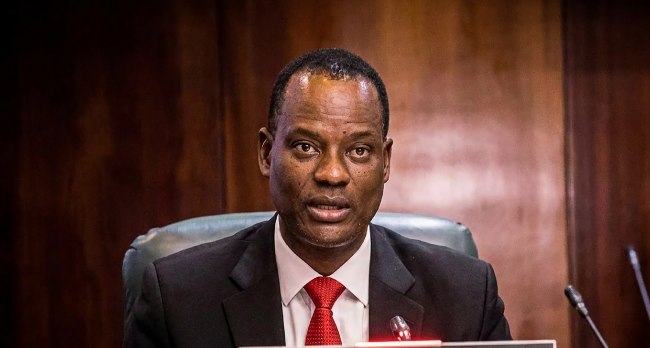
The Minister of Finance and Coordinating Minister of the Economy, Taiwo Oyedele, disclosed this on Wednesday at a media conference on Nigeria’s reform scorecard, titled, “The Benefits, Costs and Harm Prevented.”


The disclosure provides a fresh explanation by the Federal Government to a question that has persisted since President Bola Tinubu announced the removal of petrol subsidy in May 2023: Where did the savings go?
According to Oyedele, the N15.8 trillion was not paid into the Federation Account under any specific heading described as “subsidy savings.”
Rather, he explained that the combined effect of the removal of petrol subsidy and the foreign exchange reforms increased the naira value of revenues accruing to the Federation.
“Between June 2023 and December 2025, subsidy savings mobilised a sum of N15.8tn in resources for the Federation,” Oyedele said.
Read also: Court Strikes Out FG’s Forgery Charges Against ‘Fake Agency’ DG Adeyemi

Addressing concerns over the whereabouts of the subsidy savings, the minister said: “Many people will say, ‘Where is the subsidy saving?’ As a matter of fact, there wasn’t any line in the Federation Account with the description, ‘subsidy savings.’”
He explained that the impact of the reforms reflected in higher revenue collections by government agencies, particularly as changes in the exchange rate increased the naira value of dollar-denominated revenues.
“So, the subsidy savings showed up in the form of higher collection by Customs because, for every one dollar of import duty before, at N460, it became one dollar at N1,004, N1,003, N1,005,” he said.


Oyedele further explained that revenues from the Nigerian Revenue Service, NRS, and Petroleum Profit Tax also translated into higher naira collections because the same dollar-denominated revenues were converted at significantly higher exchange rates.
“The NRS, Petroleum Profit Tax that it collected before, same dollar, higher amount in naira. So, the savings showed up in the Federation accounts by way of higher revenue collections as a result of the reforms,” he said.
The minister stressed that the additional N15.8 trillion in fiscal resources was not generated by the removal of petrol subsidy alone.
Read also: Nigeria First: FG Orders MDAs To Buy Vehicles Only From Local Assemblers
According to him, the unification and flotation of the foreign exchange market also ended what he described as an implicit subsidy that had created significant opportunities for rent-seeking.
“Not just the subsidy removal, but also the exchange rate flotation, because we were subsidising the exchange rate. And that subsidy was not going to the ordinary person or manufacturers. It was going to rent-seekers,” Oyedele said.