
TAX is the money individuals and businesses pay to government. It funds public services such as roads, schools, hospitals and security. It also supports the salaries of public workers. Citizens pay taxes with the expectation that government will use the money to improve their lives.
Tax is collected in different ways. Employers deduct Pay As You Earn tax from workers’ salaries and remit it to the relevant authority. Self-employed people and business owners pay tax on their taxable income. Value Added Tax, or VAT, is charged on certain goods and services. Businesses collect it and remit it to government.

Read also: Rule Of Law, Nigeria’s Only Hope Of Survival (2) – By Dr Hassan Gimba
Nigeria’s new tax laws have sparked debate, particularly over how much ordinary citizens will pay. Senator Ireti Kingibe has raised concerns about claims that Nigerians will pay 25 per cent of their earnings in tax after the 2027 election. However, the claim that this rate will apply to everyone’s entire earnings is misleading.

The Nigeria Tax Act, 2025, took effect on January 1, 2026. The 25 per cent rate does not apply to every income earner. The first ₦800,000 of annual taxable income is taxed at zero per cent. The 25 per cent rate applies only to the portion of annual taxable income above ₦50 million. Other income bands attract lower rates. Taxable income is also different from gross earnings because applicable deductions and reliefs must be considered.
Should Nigerians be worried? The fear of a blanket 25 per cent tax on ordinary earnings is misplaced. However, concerns about the cost of living are understandable. Food, transport, housing and other essentials already consume a large share of household incomes. Businesses facing higher costs may also pass some of those costs to customers.


Supporters of the reforms argue that the new system offers relief to low-income earners and places a greater burden on those who earn more. Critics worry that economic hardship will make any additional financial pressure difficult to bear. Both arguments deserve serious consideration. Nigerians need clear information, not political alarm or empty assurances.
Read also: 2027: The North’s Misdirected Anger – By Kazeem Akintunde
The new law also changes the treatment of VAT. Basic food items, medical and pharmaceutical products, medical services, and educational books and materials are among supplies charged at zero per cent VAT. Some other supplies, including shared passenger road transport, are exempt. These are distinct legal categories. Not every service, including accommodation, is automatically exempt.
There are also questions about what the country gains from taxation. Reported figures show that Nigeria Revenue Service collections reached ₦15.8 trillion between January and May 2026, a 49 per cent increase from the same period in 2025. The figure points to a rise in collections, but higher revenue alone does not guarantee better public services.
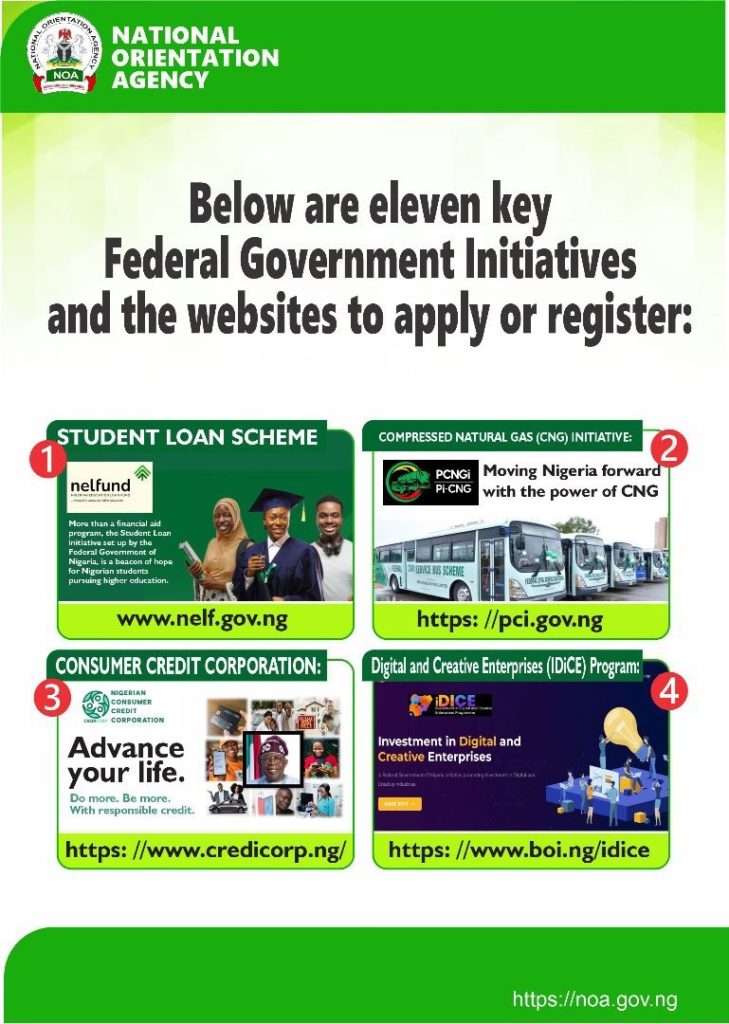
Company taxes also contribute to funding tertiary education through the statutory education tax mechanism that supports TETFund. The government’s Nigerian Education Loan Fund, NELFUND, has also disbursed substantial funds to help eligible students pay institutional fees and meet upkeep costs. These programmes can support access to education, but their impact must be judged by how effectively they reach students and improve opportunities.
Nigeria still needs sustainable revenue to meet its development needs. Yet, citizens are more likely to comply with tax laws when they trust the system and understand how public funds are spent. Government must explain the rules, protect taxpayers from unlawful demands and demonstrate accountability.
Citizens also have a responsibility. They should understand their tax obligations, keep payment records and question suspicious charges. They should not rely on social media rumours when making decisions about their finances.
Read also: Who Is Your Candidate Come February 2027? – By Hafsat Salisu Kabara
Taxation should not be reduced to political controversy. It is part of the relationship between citizens and government.
The true measure of success of Nigeria’s tax reforms will not be how much money government collects, but whether the revenue translates into better schools, accessible healthcare, improved roads and a better standard of living for the people who pay.
- West is a seasoned journalist and development practitioner with over a decade of experience in media, human rights advocacy, and NGO leadership. Her syndicated column, The Wednesday Lens, is published every Wednesday in News Point Nigeria newspaper. She can be reached at bomawest111@gmail.com.