NIGERIA is moving closer to establishing state police, with progress made towards the constitutional framework required to decentralise policing, the Presidency has said.
News Point Nigeria reports that the development follows months of consultations involving the Presidency, the National Assembly, and security authorities aimed at strengthening the country’s security architecture.

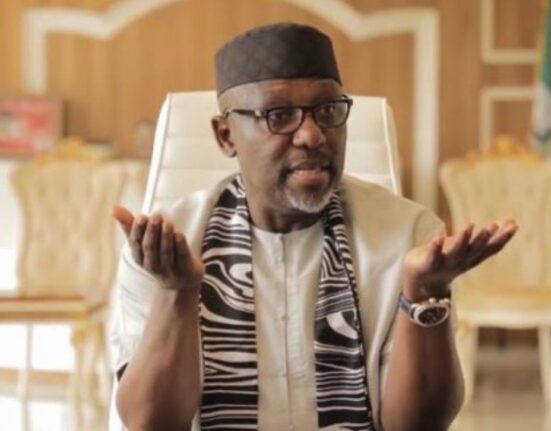
Read also: ‘I Was Never Arrested, No Bail, No Statement Taken’, Okorocha Denies Police Detention

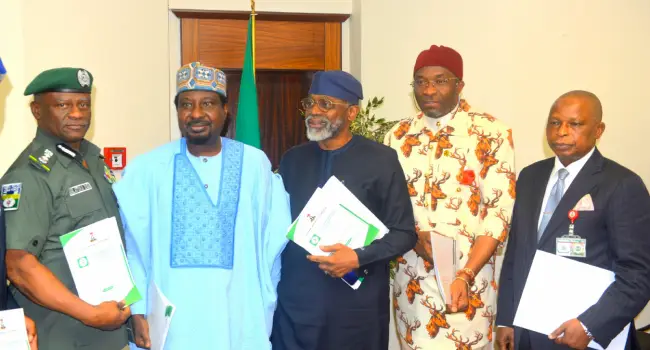
The Chief of Staff to the President, Femi Gbajabiamila, disclosed this on Thursday while briefing State House correspondents after a consultative meeting on state police convened by the Presidency at the State House in Abuja.


According to a statement issued by the Special Adviser to the President on Information and Strategy, Bayo Onanuga, deliberations on the proposed state police framework began several months ago following a directive from President Bola Tinubu.
“We started deliberations in the last three or four months on how to go about the establishment of state police as directed by Mr President.
“Establishing state police is not something that you do with the snap of the fingers. There is a lot involved in terms of constitution and legalities, and thank God, we have now gained a lot of traction.
“Hopefully, the amendment will come shortly, and the details of the amendment will come after that,” he was quoted as saying.
The president’s chief of staff explained that the immediate priority is securing constitutional amendments, while enabling legislation would follow.

“Right now, what we are looking at is the constitutional amendment itself, and then the enabling law would follow thereafter. That is what we have been deliberating on in the last couple of hours,” he added.
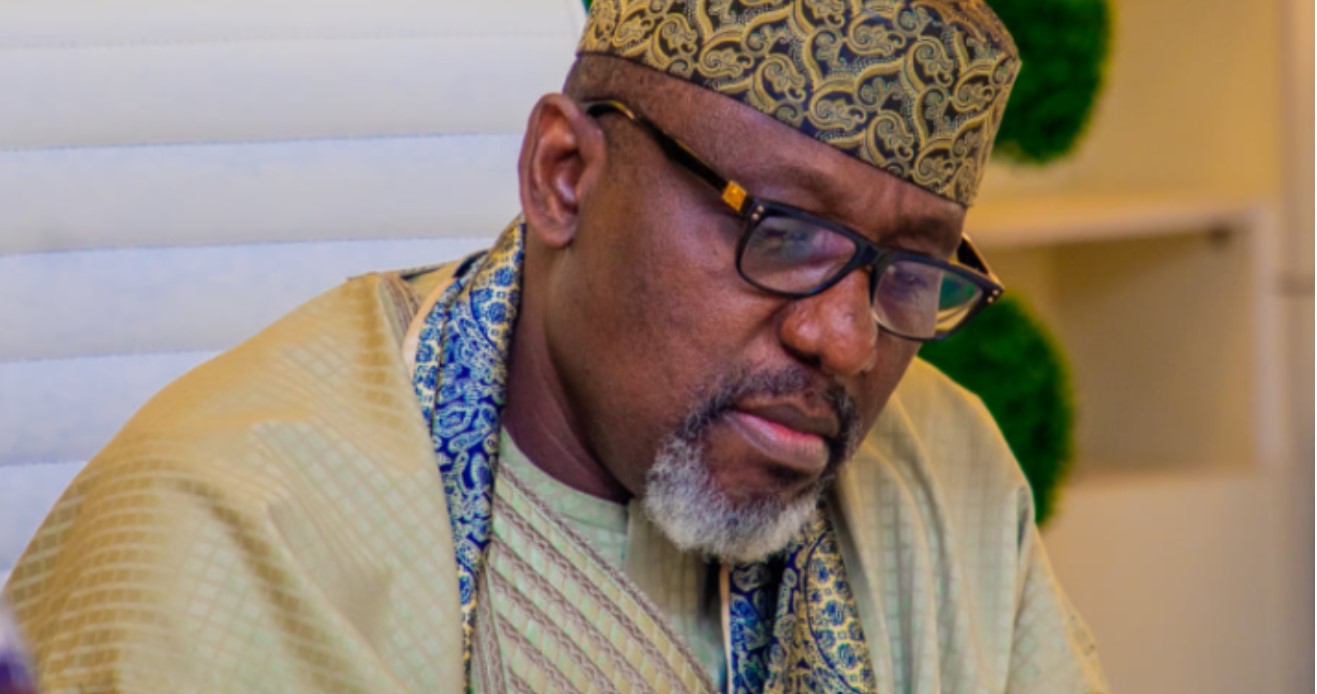
Read also: Ex-Imo Governor Rochas Okorocha Arrested At Abuja Hotel After Missing Police Invitation
Gbajabiamila noted that there is now broad national support for the initiative, saying the debate has shifted from whether state police should be established to determining the most effective legal and institutional framework for its operation.


He added that Tinubu, a long-time advocate of state police, would receive a comprehensive report on the outcome of the consultations.
Thursday’s meeting was attended by Deputy Senate President Jibrin Barau, Deputy Speaker of the House of Representatives Benjamin Kalu, Inspector-General of Police Tunji Disu and other senior government officials.
The latest meeting forms part of ongoing efforts by the Federal Government to develop a workable framework for state police, which proponents argue would improve internal security, strengthen intelligence gathering at the grassroots level, and enhance the ability of state governments to respond to emerging security threats.
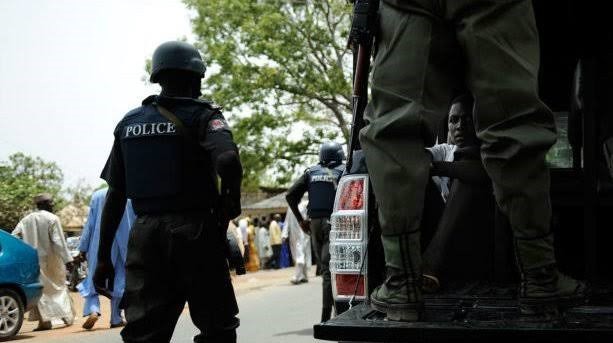
Nigeria’s policing system is currently controlled by the Federal Government through the Nigeria Police Force.
However, growing security challenges have intensified calls for a decentralised policing structure.
President Tinubu had earlier noted that state police is unavoidable to tackle insecurity, urging lawmakers to fast-track related bills.
Supporters argue that state police would improve local intelligence gathering, strengthen community-based security, and enable faster responses to crime and emergencies.
Read also: Police Block Venue Of ‘Tinubu Must Go’ Movement’s Meeting In Kano
Critics, however, have raised concerns about potential political interference by state governors, funding constraints, and the risk of heightening ethnic or communal tensions.
The renewed push for state police also comes amid growing concerns over insecurity and mass kidnappings across parts of the country.