

THE media have been awash with reports of suspected bandits arrested in Oyo State. Like every patriotic Nigerian, we applaud the security agencies for the successful operation. However, what we cannot accept is the attempt to label these suspects as indigenes of Suleja without credible evidence.

The moment I came across the report, I shared it with a WhatsApp platform comprising over 650 Suleja stakeholders—traditional elders, youth leaders, professionals, community representatives and other respected sons and daughters of Suleja. Everyone was asked a simple question: Does anyone know these men?

Not a single person recognised any of them.

The photographs were subsequently circulated widely across Suleja and neighbouring communities with instructions to identify them if they were truly indigenes or even long-term residents. Again, the outcome was unanimous: no one could identify them.


This raises an important question: On what basis were these men described as being from Suleja?
I challenge the security agencies or anyone making this claim to provide verifiable facts. Tell us where exactly in Suleja they come from. Mention their family names. In Suleja, families are well known by their ancestral lineages.
Once a family name is mentioned, the community can easily establish whether such individuals truly belong to us. That information would even assist security agencies in tracing relatives, associates and possible criminal networks. Mere speculation helps no one.
It is both unfair and dangerous to tarnish the reputation of an entire community based on an unverified claim.
History also speaks in our defence.
Suleja, formerly known as Abuja, has existed for centuries without any history of organised banditry. Our forefathers were known for courage, honour and peaceful coexistence. Even during periods of conflict, they fought only in defence of their people, not as aggressors.

When the forces of Sheikh Usman dan Fodio confronted Emir Muhammadu Makau during the Eid prayer while he and his followers were unarmed, the Emir chose to withdraw with his people rather than expose innocent lives to unnecessary bloodshed. That decision was not an act of weakness but of wisdom and compassion. Eventually, they settled in what is today known as Suleja.
Our history has always been defined by peace, sacrifice and hospitality.
That same spirit was demonstrated again in the 1970s when the Federal Government decided to relocate Nigeria’s capital from Lagos. The people of Suleja made one of the greatest sacrifices any community has ever made for national unity. We surrendered over eighty percent of our ancestral land for the creation of the Federal Capital Territory. We even gave up the historic name “Abuja” without demanding compensation.


The people whose lands were acquired were predominantly farmers. Their land was their livelihood, yet they sacrificed it for the good of Nigeria.
Suleja also became the first home of the Federal Capital Development Authority (FCDA). Before Abuja became habitable, government officials, engineers and workers lived in Suleja while building the nation’s new capital.
Sadly, despite these enormous sacrifices, Suleja has little to show for its contribution. Federal presence remains minimal. Major projects are scarce. Appointments and opportunities have hardly reflected the community’s historic role in building the Federal Capital.
Yet, despite this neglect, Suleja has remained peaceful, welcoming and accommodating to Nigerians from every part of the country. That is why it is deeply painful to see our name associated with banditry without proof.
No responsible community should remain silent while its reputation is dragged through the mud.
We therefore call on the relevant authorities to immediately clarify this matter and publicly correct any misinformation linking these suspects to Suleja if such claims cannot be substantiated.
We commend the Executive Chairman of Suleja Local Government, Hon. Isyaku Bawa Naibi, for his swift disclaimer defending the integrity of the community. His prompt intervention demonstrates responsible leadership.
We also believe the people of Suleja deserve a public apology from those who hastily profiled these suspects as our indigenes without first establishing the facts.
Communities should never be tried in the court of public opinion because of the alleged crimes of individuals—especially when even the identity of those individuals remains unverified.
Suleja’s name was built over generations through sacrifice, peace and honour. We will continue to defend that legacy with facts, not emotion.
Banditry is not part of Suleja’s history, culture or identity, and no community should be judged by the alleged crimes of individuals whose origins have not been established.
Please clear our name.
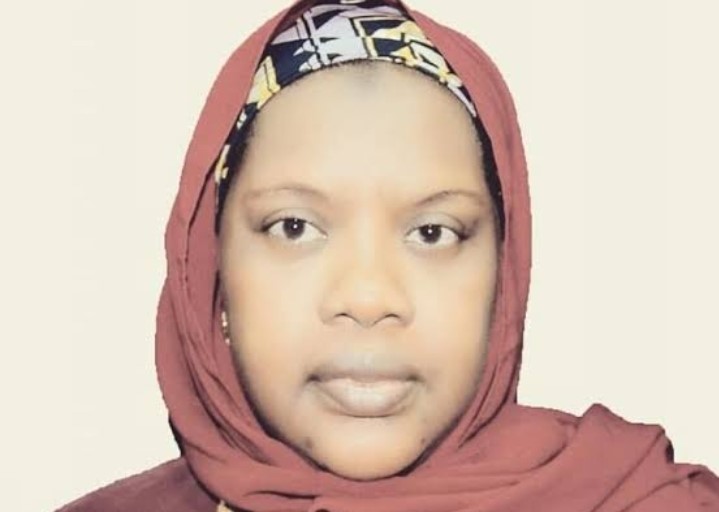
- Mairo Mudi writes from Suleja, Niger State and she can be reached via mairommuhammad@gmail.com.