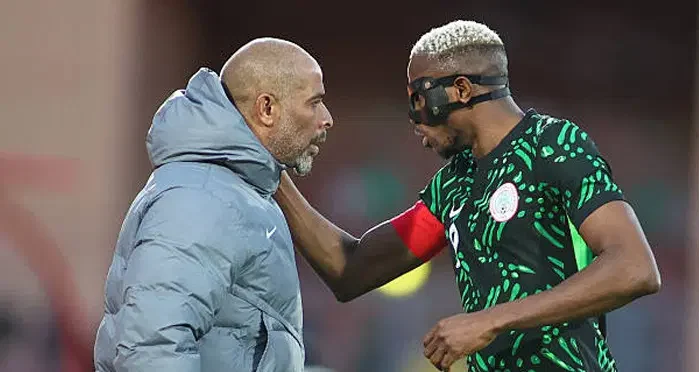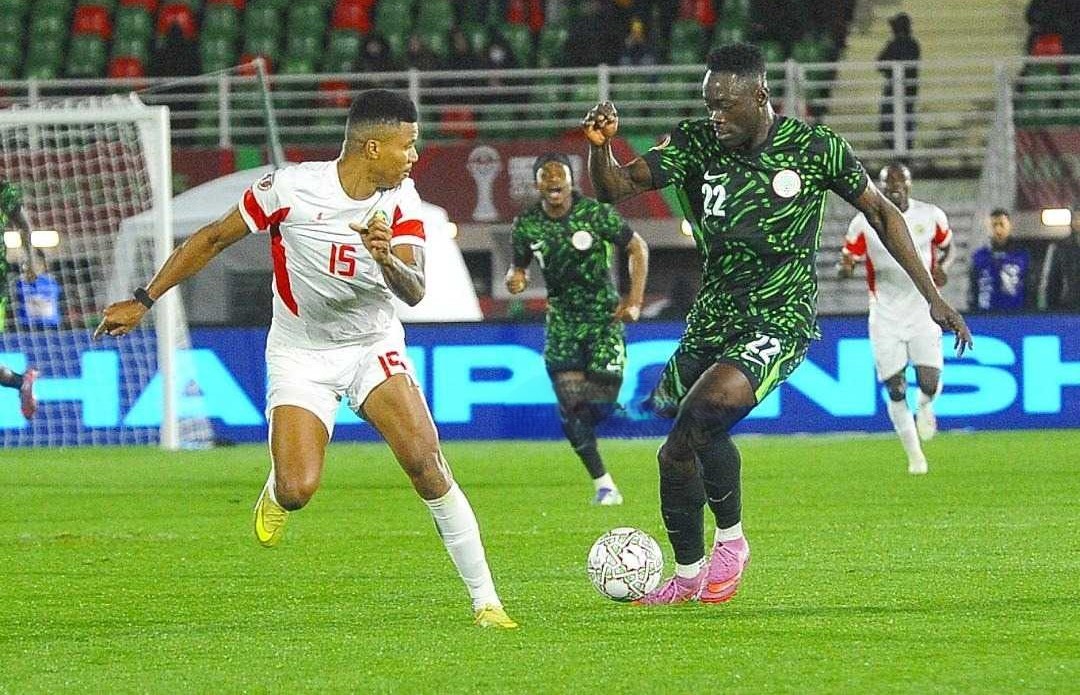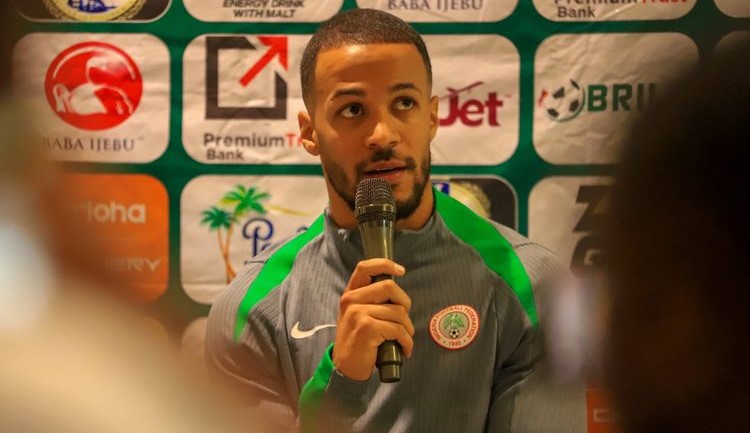
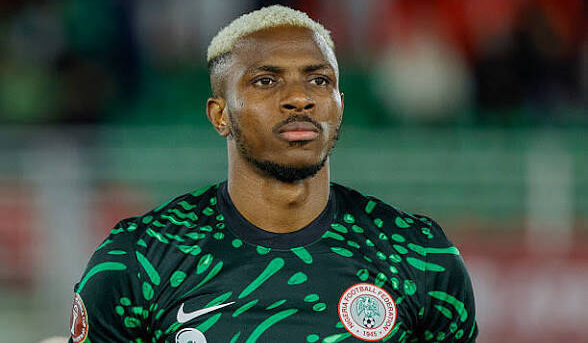
SUPER Eagles striker Victor Osimhen has urged his teammates and Nigerians to remain focused on the future despite the disappointment of missing the 2026 FIFA World Cup, admitting that the latest setback has been difficult to accept after Nigeria failed to qualify for football’s biggest tournament for a second consecutive time.
News Point Nigeria Sport reports that Osimhen made the remarks during a recent social media stream, where the Galatasaray forward broke his silence on Nigeria’s failed qualification campaign and reflected on a journey that began with great promise but ultimately ended in heartbreak for the Super Eagles.
Read also: Chelle Backs Return To Two-Year AFCON Cycle, Says Its Best For African Football

“It’s bad, not just for me but for the rest of the guys. We’ve missed out twice in a row. Sometimes life happens, so we just have to keep moving,” Osimhen said, expressing the frustration shared by players and supporters alike.


The 2026 FIFA World Cup, which kicked off last week, is historic for several reasons. It is the first edition of the tournament to feature 48 teams and is widely regarded as the most lucrative World Cup in history for participating nations.
Despite Africa receiving nine automatic qualification slots and an additional place in the intercontinental playoffs, Nigeria was unable to secure a ticket, finishing second in its qualifying group before suffering elimination at the hands of the Democratic Republic of Congo in the continental playoffs.
The outcome condemned the Super Eagles to a second straight World Cup absence, with Nigeria’s last appearance on the global stage coming at the 2018 tournament in Russia.
Read also: Super Falcons Face Comoros For Return Leg In Ogun, Eye Back-To-Back Olympic Appearances
For players such as Osimhen, who have risen through the national team ranks without experiencing a World Cup, the disappointment is particularly painful, especially considering the abundance of talent available within the current squad.

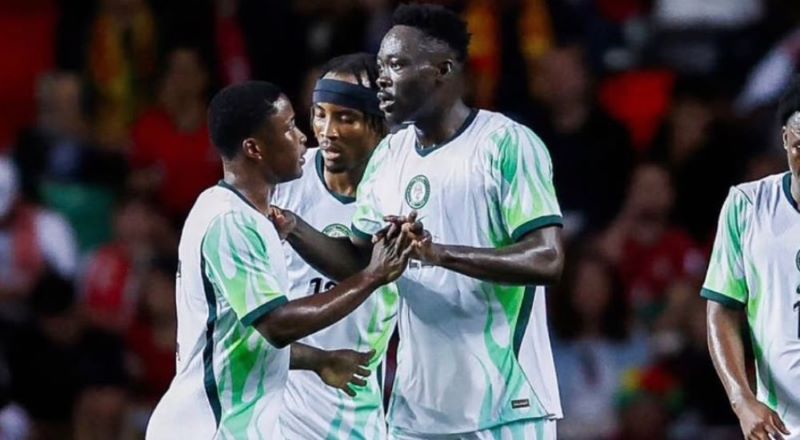
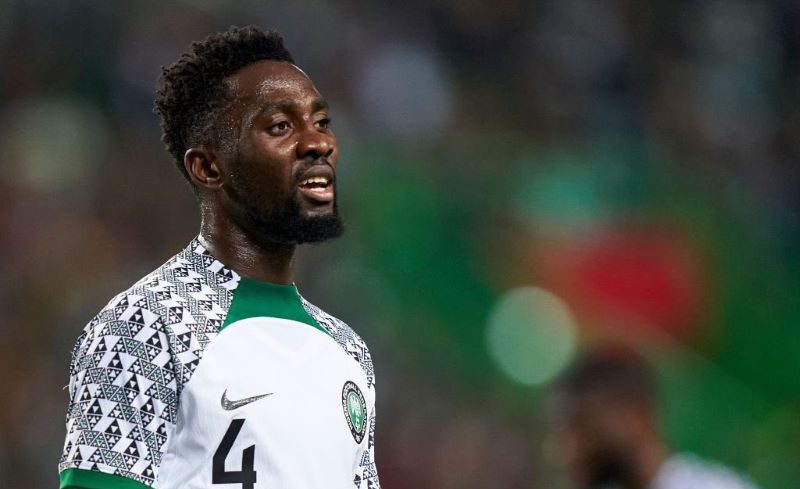
Nigeria’s team includes several internationally recognised stars such as Alex Iwobi, Calvin Bassey, Wilfred Ndidi and Ademola Lookman, highlighting the contrast between the squad’s quality on paper and its inability to deliver the desired results during qualification.
Many observers have attributed the Super Eagles’ struggles not to a shortage of talent but to administrative instability. Three different coaches managed the team at various stages of the qualifying campaign, a situation widely blamed on inefficiencies within the Nigeria Football Federation.
The frequent changes disrupted continuity and planning during a critical period of the qualification process.


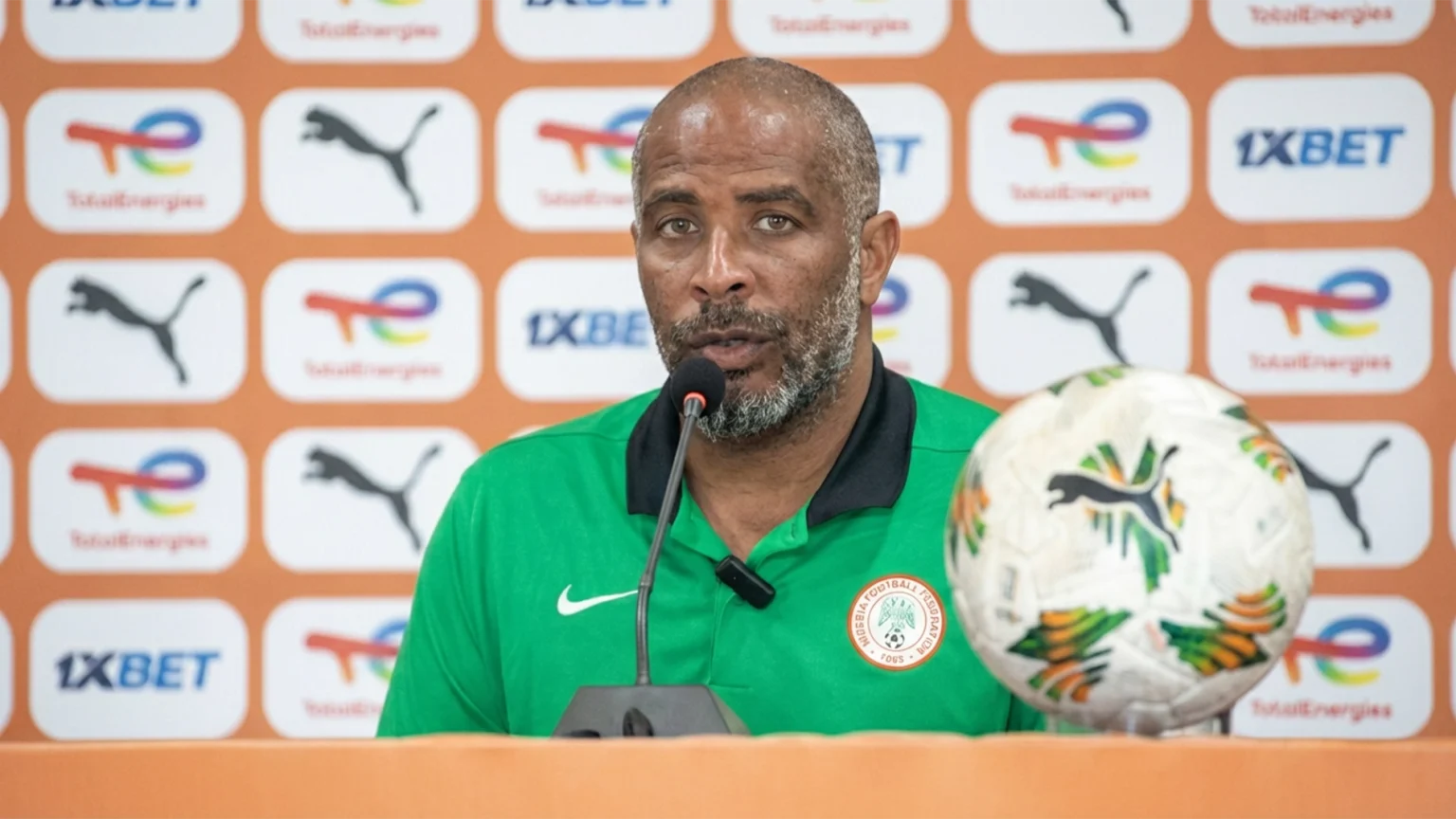
Despite the disappointment, there are signs of encouragement under current head coach Eric Chelle. Since taking charge, Chelle has introduced a clearer tactical structure and renewed sense of purpose within the squad, offering hope that the team is moving in the right direction.
Read also: Manchester United Draw 10-Man Tottenham For Worst Premier League Start In 40 Years
While several of Nigeria’s key players will be in their 30s by the time the next World Cup cycle concludes, the experience gained by this generation of players, combined with Chelle’s growing influence and tactical direction, has generated cautious optimism that the Super Eagles can finally end their World Cup drought when qualification for the next edition begins.
For now, Osimhen’s message remains simple: learn from the disappointment, stay united and continue pushing forward in pursuit of a return to football’s biggest stage.