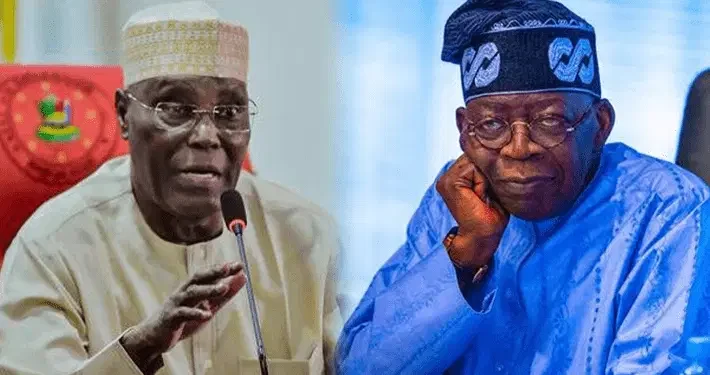
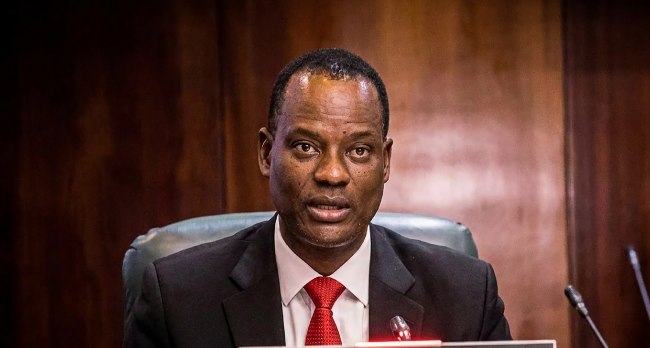
MINISTER of Finance and Coordinating Minister of the Economy, Taiwo Oyedele, has explained why many Nigerians are yet to feel the full impact of the economic reforms introduced by President Bola Tinubu’s administration, saying the measures represented a major reset of an economy that had been sustained by what he described as “fiscal illusions.”
News Point Nigeria reports that Oyedele said the hardship being experienced by Nigerians was partly a consequence of the reforms, particularly the removal of fuel subsidy, noting that such a major policy adjustment could not immediately translate into improved living standards.

Read also: Tinubu Welcomes World Bank Report, Says Economic Reforms Are Delivering Results

Speaking during an event organised by the National Orientation Agency (NOA), the minister said the reforms were designed to correct deep-rooted economic distortions and reposition the country for sustainable growth, adding that the benefits would take time to fully materialise.


Oyedele, who spoke while responding to questions from participants, disagreed with the World Bank’s assessment that poverty increased despite the reforms, arguing that the rise in hardship was an expected short-term consequence of ending subsidy payments.
“The question that you raised that poverty has gone up and the unemployment rate is high — this is one area I tend to disagree with the World Bank. World Bank would say that poverty has gone up despite the reforms.
“And I say, yes, poverty has gone up because you cannot remove subsidy and people become richer, right?
“The reform itself was a reset. We were living in fiscal illusions. So we needed to stop deceiving ourselves so the country can move forward, and that reset meant that income in that term will fall,” he said.
The minister, however, said Nigeria’s economy had started showing signs of recovery, particularly from 2025, with improved growth figures indicating that the country was beginning to move in the right direction.

“But the good thing is that the good news is that the numbers for 2025 in dollar terms say that real per capita growth was nearly 10 per cent.
“That makes Nigeria one of the fastest countries in lifting people out of poverty. The federal government intends to sustain the growth,” Oyedele said.
Addressing concerns over how savings from the removal of fuel subsidy had been utilised, the minister acknowledged that Nigerians had legitimate reasons to demand transparency and accountability from government.

According to him, the combined impact of fuel subsidy and foreign exchange-related subsidies amounted to about five per cent of Nigeria’s Gross Domestic Product (GDP), stressing that the primary objective of the reform was not only to save money but also to eliminate corruption and distortions within the system.
“The whereabouts of the subsidy savings is a valid question. And guess what, the combined impact of the subsidy on fuel, I like to call it subsidy on FX, was about 5 per cent of the GDP.
“So you remove both, you save money. But saving money was not the primary objective. It was eliminating the distortion and corruption in the system, which is more fundamental. But the money savings is also important,” he said.
Oyedele disclosed that the Federal Government would soon release a detailed breakdown explaining how the subsidy savings had been deployed, describing transparency as an obligation to Nigerians.
Read also: Tinubu Sends NDLEA, Safety Investigation Bureau, National School Of Government Bills To Senate
“In a few days you will see the detailed analysis because we believe that we owe a duty to explain what we do to the Nigerian people — that’s what transparency looks like. But in the meantime, I can give you some of the highlights,” he added.
The minister urged Nigerians not to judge the reforms solely by comparing current economic conditions with the period before the policies were introduced, but to also consider what could have happened if the reforms had not been implemented.
“Many Nigerians will simply compare the past with the present and conclude that the reforms are not working for them. Some would even say it is a bad reform.
“What we don’t normally compare, or the question we usually don’t ask, is: where would we have been if the reforms were not carried out counterfactual,” he said.
Oyedele explained that before the reforms, the government relied heavily on money printing to finance expenditure, while interest rates and the minimum wage remained significantly lower.
“Before the reforms, we were printing money to spend. Interest rate was about 8 per cent. Minimum rate was N30,000. If you just think about those three those are big numbers,” he said.
He added that stopping money printing, increasing debt servicing obligations and raising the minimum wage were among the major adjustments triggered by the reforms.
“Because the reforms induced higher prices, interest rates went up. So instead of paying 8 per cent on our debts, we were paying as high as 24 per cent.
“When you need to service debts, you don’t debate whether you need to pay. You can’t negotiate it. You pay, and you pay on time.
“Minimum wage went up from N30,000 to N70,000 — that’s almost double the wage bill of the government,” he explained.
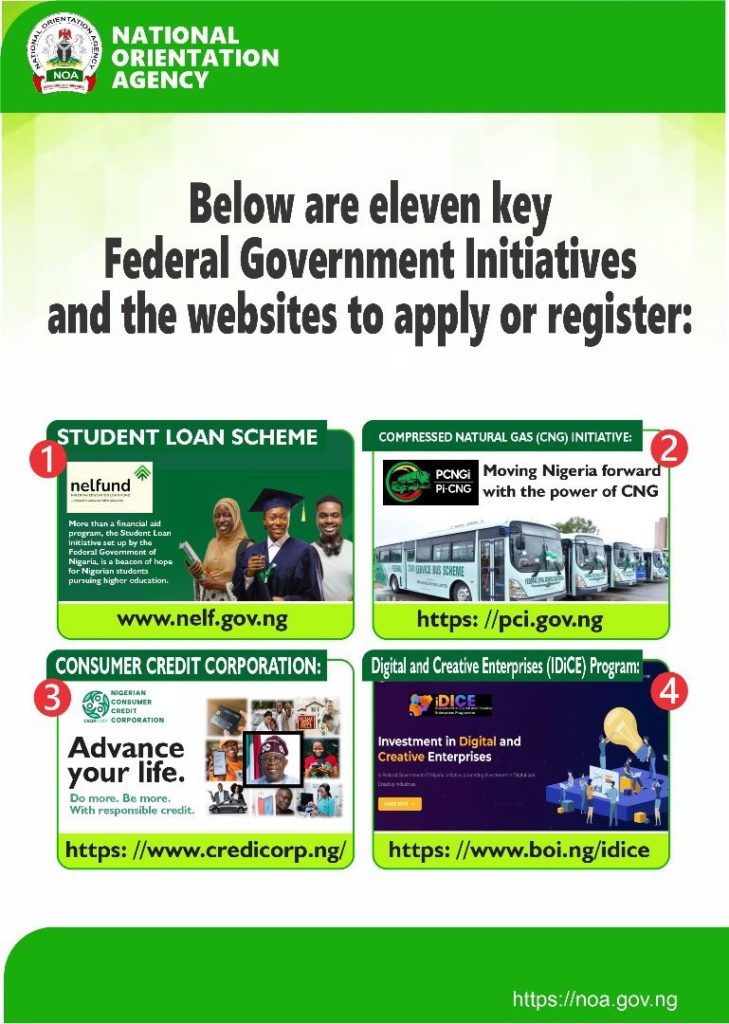
The minister also highlighted government interventions such as the Nigerian Education Loan Fund (NELFUND), saying more than 1.5 million students had benefited through tuition support and monthly stipends.
He said the initiative had also reduced financial pressure on families, allowing parents to redirect resources previously spent on school fees toward businesses and other essential needs.
“In addition to other important things like the NELFUND, where over 1.5 million receive not only their tuition but a stipend every month.
“And if you think that is not important enough what looks like a means is that about over a million households, the parents no longer have to save, borrow, and be stressed just to pay the tuition. Now they can deploy those resources into their small businesses and to take care of other important basic needs. So, this is significant,” he said.
Read also: 2027: Tompolo Donates 25 Vehicles To Tinubu’s Re-Election Campaign In Kogi
Oyedele reiterated that the government remained committed to explaining how the subsidy savings had been applied and promised that a comprehensive report would soon be made available to the public.
“What we need to do is provide the detailed explanation of how much we saved and how the money has been spent,” he added.