

FORMER Head of State, General Abdulsalami Abubakar (retd.), resisted intense pressure from some senior military officers to extend his transition programme and delay the return to democratic rule after assuming power in 1998, a former close aide has revealed.
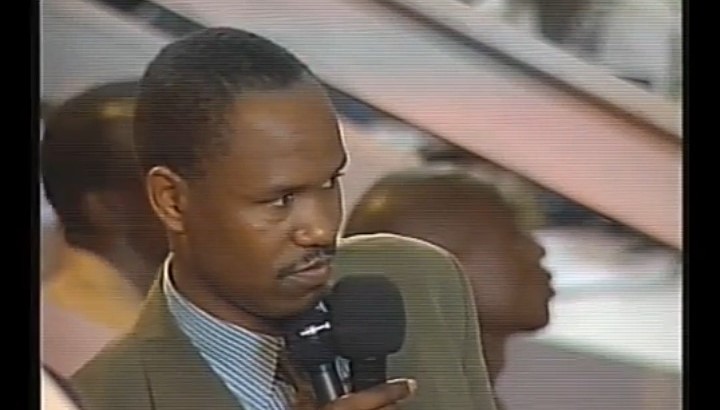
News Point Nigeria reports that the disclosure was made by retired Major General Abdulrashid Aliyu, former Chief Security Officer to Abdulsalami, during celebrations marking the former leader’s 84th birthday and the launch of three of his new books, including his autobiography, in Abuja on Saturday.
Aliyu, who served as chairman of the organising committee for the birthday celebrations, described Abdulsalami as a statesman who was willing to make difficult decisions in the national interest, even when those decisions ran contrary to the wishes of influential figures within the military establishment.

According to him, following the death of General Sani Abacha in June 1998 and Abdulsalami’s emergence as Head of State, the new leader immediately unveiled a six-month transition programme aimed at returning Nigeria to civilian rule. The announcement, however, generated sharply divided opinions within the military hierarchy.


Aliyu explained that officers were split into three broad camps over the proposed timeline.
“When he rolled out his six-month transition programme, participants in the military were divided into three groups,” Aliyu said.
“One group believed that, yes, this was the right thing to do.
“Another group felt it was okay, but that there should be an extension of about five or six months.
“The third group believed the civilians were not ready to take over the country.”

He said the debate became so intense that he personally approached Abdulsalami to relay the concerns of officers who favoured extending the military administration beyond the six-month period.
“I went to him and said, ‘Sir, there are those who are asking whether we can extend the six months so that we can bring some of these people on our side’,” Aliyu recalled.
According to him, Abdulsalami’s response was immediate, firm and unwavering.


“He looked at me and said, ‘It is my duty and my task to take decisions on behalf of the country and what is good for the country and for the people. I have taken my decision. That is what I will do.’”
Aliyu said the response reflected the former military leader’s deep commitment to restoring democratic governance, despite pressure from various quarters to remain in power longer.
“He was ready to go to any extent, including against himself, to ensure that the right thing was done for the country,” he added.
The retired general noted that Abdulsalami’s determination ultimately paved the way for one of the most significant political transitions in Nigeria’s history.
Abdulsalami became Head of State in June 1998 following the sudden death of General Abacha. Upon assuming office, he initiated a rapid transition process that culminated in the successful conduct of elections and the inauguration of former President Olusegun Obasanjo on May 29, 1999.
The handover ended years of military rule and ushered Nigeria into the democratic dispensation that has continued uninterrupted for more than two decades.