

THE Federal Government has dismissed claims that the administration of President Bola Tinubu borrowed about ₦80 trillion within three years, insisting that the figures being circulated are exaggerated and largely driven by accounting adjustments rather than fresh loans.

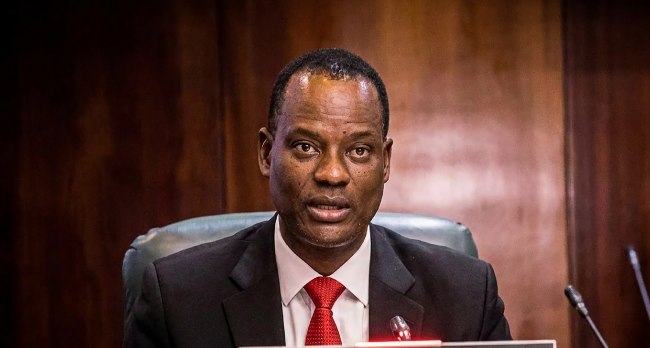
News Point Nigeria reports that the Minister of Finance and Coordinating Minister of the Economy, Mr Taiwo Oyedele, made the clarification on Monday while briefing the Senate Committee on Finance on the state of the nation’s economy.

Responding to concerns raised by lawmakers over reports that the current administration had accumulated about ₦80 trillion in debt in addition to the ₦75 trillion liability it inherited, Oyedele said the figures being cited by commentators and sections of the media did not accurately reflect the actual level of borrowing undertaken by the government.

According to the minister, Nigeria’s total public debt stood at approximately ₦75 trillion when President Tinubu assumed office. However, he explained that economic reforms and the depreciation of the naira significantly increased the local currency value of the country’s foreign debt obligations.


“When this administration came into office, public debt was around ₦75 trillion. Many people simply compare that figure with today’s debt stock and conclude that this government has borrowed massively,” Oyedele told the committee.
“However, following the reforms and the depreciation of the naira, the foreign currency component of our public debt had to be revalued because Nigeria reports its debt in naira. That accounting adjustment alone added more than ₦40 trillion to the public debt figure,” he added.
The minister further explained that another major factor behind the increase in the debt profile was the securitisation of the Ways and Means advances approved by the National Assembly.
He noted that the exercise added about ₦33 trillion to the country’s debt stock but stressed that the amount did not constitute fresh borrowing, as it represented pre-existing obligations that had merely been formally recognised in the government’s accounts.
Oyedele maintained that the rise in Nigeria’s debt figures should not be interpreted as evidence of massive new borrowing by the Tinubu administration, insisting that exchange rate movements and accounting adjustments accounted for a substantial portion of the increase.

However, members of the Senate Committee on Finance expressed concerns over what they described as the poor implementation of the capital component of the 2026 budget.
The lawmakers urged the Federal Government to improve budget execution to ensure that approved capital projects translate into tangible development outcomes across the country.

