
PROMINENT Islamic scholar, Sheikh Ahmad Abubakar Gumi, has weighed in on the ongoing debate over whether Islamic clerics should actively participate in politics or remain devoted solely to religious preaching, declaring that there is nothing wrong with scholars seeking elective office.
News Point Nigeria reports that the discussion has gained momentum following the active involvement of some respected Islamic clerics in partisan politics, a development that continues to divide opinion among Muslims, particularly in Northern Nigeria.

Read also: Adebutu, Pantami, Gwarzo: PDP, NDC Set October 24 Deadline For INEC To Address Omitted Candidates
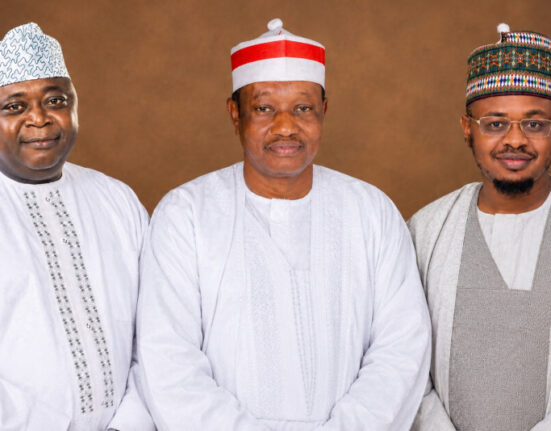
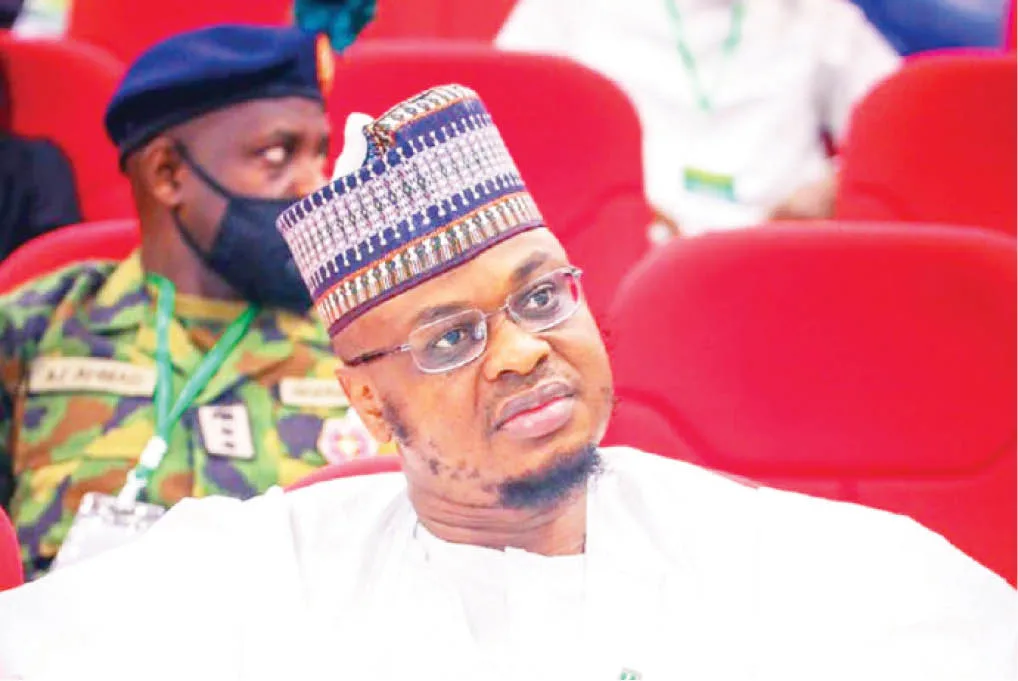
Among the notable Islamic scholars who have joined politics are former Minister of Communications and Digital Economy, Sheikh Isa Ali Ibrahim Pantami, and Sokoto-based Islamic scholar, Sheikh Bashir Ahmad Sani, who, in February 2026, declared his intention to contest the governorship election in the 2027 general election.

There are also several other clerics of reputable standing who have occupied, or are still occupying, different political positions across some states of the federation.
However, Pantami’s political ambition has remained the centre of public attention.


While critics of clerics participating in politics argue that the political arena is too dirty and divisive for religious leaders, supporters insist that scholars should not remain on the sidelines while the country continues to grapple with poor leadership and incompetent public office holders.
Those opposed to the idea argue that partisan politics exposes religious scholars to ridicule, insults, political attacks and even defamation, which they believe could diminish the respect, credibility and moral authority they command within society.
Read also: Gombe 2027: Inuwa Yahaya Welcomes Ex-PDP Governorship Aspirant, Hamma-Saleh To APC

According to them, clerics are better positioned to provide spiritual guidance, offer counselling where necessary and hold leaders accountable from outside government.
Supporters, however, maintain that meaningful change cannot come solely from outside the political system, insisting that responsible and competent individuals should actively participate in governance to help transform the country.
They argue that if scholars possess the knowledge, integrity and competence required to lead, they should be free to contest elections and contribute directly to national development instead of limiting themselves to sermons and prayers.


The debate has attracted renewed attention following the emergence of former Minister Pantami as the governorship candidate of the Peoples Democratic Party (PDP) in Gombe State ahead of the 2027 elections.
Joining the conversation, Sheikh Gumi, in a post on his Facebook page on Monday, maintained that there is absolutely nothing wrong with religious scholars joining politics and participating actively in governance.
Read also: Tinubu Denied Second Term Could Trigger Political Crisis, Ex-NAHCON Chairman, Sheikh Pakistan Warns
According to him, it is even more commendable for clerics to engage directly in politics than to remain outside government praying for politicians.
“A religious scholar who gets involved in politics and bears its rigours is better than one who sits on a prayer mat, offering prayers for politicians,” Gumi wrote.