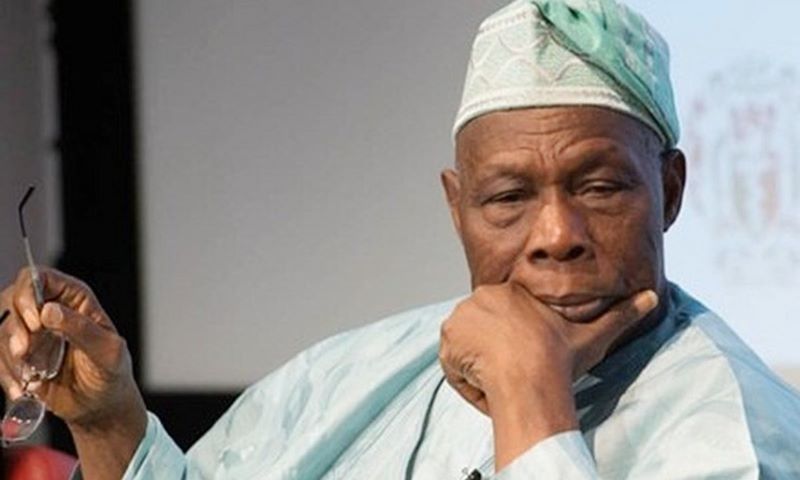

AS the rainy season intensifies across the country, fears are mounting over flooding, drainage failures, displacement and disease outbreaks in several states. In this weekend feature, News Point Nigeria examines Nigeria’s preparedness for the 2026 rainy season, drawing from government forecasts, state responses, expert warnings and community-level realities. It also revisits painful lessons from previous disasters and identifies the communities most exposed to the recurring threat.



Across Nigeria, state governments have begun rolling out preventive measures following the Federal Government’s release of the 2026 Annual Flood Outlook (AFO), which warns of widespread flooding in multiple parts of the country. The outlook, presented in Abuja by the Nigeria Hydrological Services Agency (NiHSA), identifies Lagos, Bayelsa, Delta, Adamawa, Kebbi and 28 other states as high-risk zones, with thousands of communities expected to be affected at varying levels.

Read also: Macron To Visit Nigeria October 28, 29 For State Visit – Presidency Source



At the public presentation, the Minister of Water Resources and Sanitation, Joseph Utsev, stressed that early warning systems remain central to reducing flood disasters. He noted that timely information can save lives, protect livelihoods and safeguard infrastructure. According to the report, 14,118 communities in 266 LGAs across 33 states and the FCT fall under high-risk zones, while 15,597 communities in 405 LGAs are under moderate risk and 923 communities in 77 LGAs face low-level flooding.


The outlook further warned of flash and urban flooding in major cities such as Abuja, Lagos, Ibadan, Kano and Port Harcourt, attributing the risks to intense rainfall, poor drainage systems and weak urban planning. Coastal and riverine flooding is also expected in Bayelsa, Delta, Lagos, Rivers and Ogun due to rising sea levels and tidal surges.

Utsev stressed that the flood outlook is not just a scientific document but a call to action. He urged state governments to integrate flood risk into land-use planning, improve drainage infrastructure and prepare vulnerable communities adequately. He also confirmed ongoing collaboration between his ministry and the Nigerian Meteorological Agency (NiMet) to improve forecasting accuracy for farmers, urban planners and disaster managers.
Despite improvements in forecasting, the minister warned that predictions alone are not enough without action at the grassroots level. That reality is already shaping responses across states.

In Sokoto State, the State Emergency Management Agency (SEMA) has begun advocacy visits, stakeholder engagement and community assessments to identify vulnerable areas. Its Director of Relief and Rehabilitation, Alhaji Mustapha Umar, said evacuation plans and temporary shelters are being developed, while sensitisation campaigns are ongoing.
Benue State has shifted from reactive response to proactive planning, launching radio jingles, public enlightenment campaigns and toll-free emergency lines to improve communication and readiness. Officials say the agency is now on standby for rapid response.

Kano State has flagged off an urban drainage master plan alongside annual drainage clearance exercises to remove blockages in waterways. Authorities are also engaging flood-prone communities to promote preventive behaviour.
In Kebbi, disaster response teams have been reactivated, awareness campaigns intensified and relief materials stockpiled. The state is also working closely with local governments and community leaders for coordinated response efforts.
Kogi State has begun establishing Emergency Operations Centres to coordinate disaster response, while mapping vulnerable communities and strengthening inter-ministerial collaboration across health, agriculture, water resources and information sectors.


Adamawa State has intensified sensitisation campaigns, particularly in riverine communities, urging residents to relocate from floodplains and clear drainage channels. Officials also advise households to protect food supplies and property in advance of peak rains.
Kwara State has launched awareness campaigns, including radio jingles and flyer distribution, while planning community visits in high-risk areas. Edo State is combining drainage clearance with rehabilitation of IDP camps and preparation of emergency shelters.
Niger State is focusing on flash flooding in Minna, Bida, Mokwa and Suleja, using traditional rulers and community volunteers for grassroots mobilisation while identifying relocation centres as contingency plans.

At the federal level, President Bola Ahmed Tinubu, represented by Minister of Environment Balarabe Lawal, called for collective action across all tiers of government. NiHSA has upgraded its flood dashboard into a real-time decision system, while NiMet has improved weather prediction accuracy using advanced technology. A mobile alert application has also been introduced to strengthen early warning dissemination.
Yet experts warn that technology and forecasts alone cannot prevent disasters without strong local response systems. They call for sustained awareness, waste management, drainage maintenance and infrastructure investment.
Read also: Nigeria Records 263 Lassa Fever Deaths, 1,115 Confirmed Cases – NCDC
The National Emergency Management Agency (NEMA) has also urged governors, particularly in the South-South, to take early action. At a preparedness campaign in Calabar, NEMA Director-General Zubaida Umar described the region as highly vulnerable due to coastal location, rainfall intensity, poor drainage and climate change impacts.
She said NEMA has developed a 2026 Climate-Related Risk Framework, including evacuation plans, simulation exercises, drainage clearance and community-level preparedness systems. Vulnerability maps and early warning tools have been deployed nationwide, with technical teams set for state visits in collaboration with SEMAs and local emergency committees.
Cross River State Governor Bassey Otu praised NEMA’s proactive efforts and pledged continued collaboration.
Despite these institutional responses, concerns remain over gaps between forecasting and implementation. Speaking to News Point Nigeria, senior hydrologist Dr. Peter Onouha, Ph.D., warned that Nigeria continues to repeat the same cycle of warnings without action.
He said federal agencies like NiMet and NiHSA consistently issue flood alerts, but state governments often fail to translate them into preventive measures. The result, he noted, is a recurring cycle of displacement, destruction and avoidable deaths.
Dr. Onouha criticised what he described as a “reactive and seasonal” approach, arguing that public enlightenment must be continuous, not seasonal. He warned that hundreds of millions of naira in property are lost yearly due to poor preparedness, alongside preventable fatalities.
He also called for stronger grassroots communication in local languages, noting that many vulnerable communities remain unaware of risks until disaster strikes. He urged early drainage clearing, waste removal and evacuation planning before peak rainfall periods.
At the federal level, he stressed the need for stronger coordination and accountability, adding that climate change is making rainfall more intense and unpredictable. Without proactive governance, he warned, Nigeria will continue to suffer avoidable losses each rainy season.
Beyond government and expert warnings, a deeper issue runs through Nigeria’s flood cycle: public health and human survival. Floodwaters, often underestimated, are not just rain accumulation but a dangerous mix of sewage, chemicals, waste and pathogens. Once they enter homes and streets, they become silent carriers of disease.
Health experts have repeatedly warned of post-flood outbreaks such as cholera, typhoid, hepatitis A and E, malaria surges and leptospirosis. Each year, thousands of lives are lost not only to drowning but to preventable infections that follow flooding.
In 2024 alone, Nigeria recorded over 11,000 cholera cases with hundreds of deaths, while malaria spikes continue to overwhelm already weakened communities after flood events. Flood conditions also worsen respiratory diseases, skin infections, mould exposure and mental health challenges, particularly among displaced populations.
Experts advise simple but critical precautions: treating drinking water, avoiding contact with floodwater, protecting wounds, clearing stagnant water and using mosquito nets. They also stress mental health support, especially for displaced families and children affected by trauma.
Yet, the root of the crisis remains structural. Poor drainage systems, weak urban planning, encroachment on floodplains and climate pressures continue to amplify the impact of seasonal rains. In cities like Abuja, Lagos, Kano, Port Harcourt and Kaduna, rapid construction and loss of green spaces have worsened runoff and reduced natural water absorption.
Hydrological analysis shows that floods are not random events but predictable outcomes of planning failures, climate cycles and environmental neglect. Even in cities originally designed with buffer zones and drainage corridors, violations and unregulated development have increased vulnerability.
Flash floods, which can transform small streams into destructive torrents within minutes, remain a recurring danger in densely built urban areas. Experts warn that without strict enforcement of planning laws and sustained investment in drainage infrastructure, such disasters will only intensify.
Read also: Nigeria First: FG Orders MDAs To Buy Vehicles Only From Local Assemblers
As Nigeria moves deeper into the 2026 rainy season, one reality stands out clearly: forecasts are no longer the problem. The challenge lies in response, discipline and coordination.
Whether Nigeria breaks this cycle of warning without action may determine not just how much water flows this year but how many lives are lost to it.