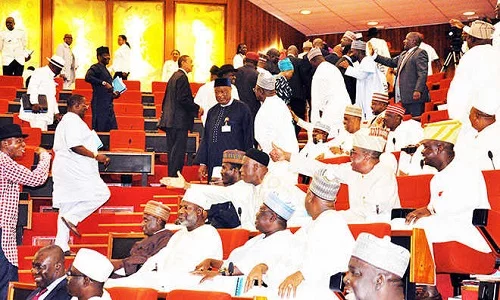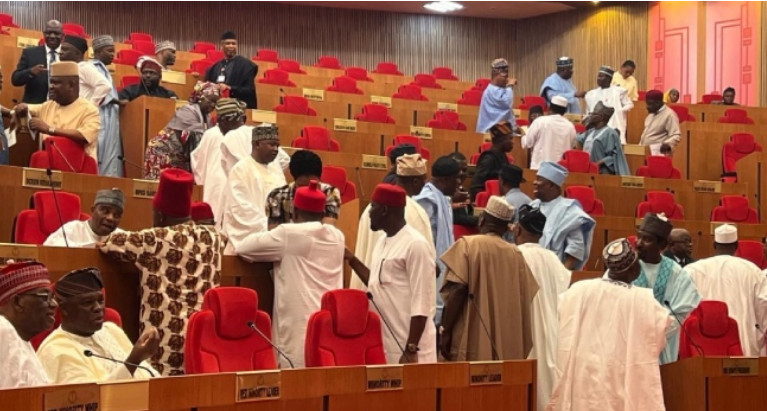
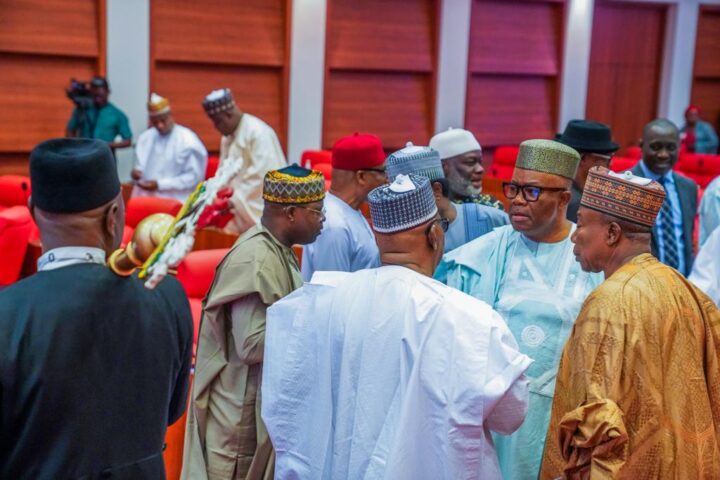
THE Senate has warned all Ministries, Departments and Agencies (MDAs) as well as Government-owned Enterprises (GOEs) that continued failure to honour invitations from the National Assembly will attract sanctions in accordance with the provisions of the 1999 Constitution (as amended).
The warning followed the adoption of a motion sponsored by Senator Sani Musa under Orders 41 and 51, addressing the persistent refusal by several government agencies and enterprises to appear before Senate committees despite repeated invitations.

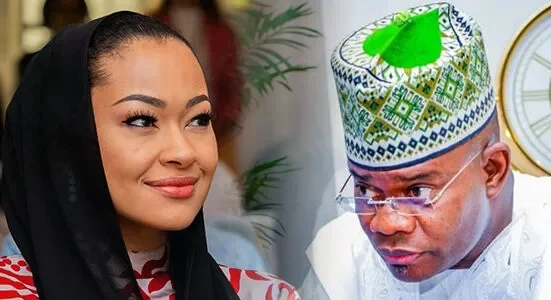
Read also: 2027: Yahaya Bello Boasts of ‘Massive Vote, Decisive Victory’ Against Senator Natasha
Presenting the motion, Senator Musa reminded lawmakers that Sections 88 and 89 of the Constitution empower the National Assembly to investigate the activities of MDAs, GOEs and any organisation responsible for the disbursement or administration of funds appropriated by the legislature.

He described the continued failure of government institutions to respond to Senate invitations as a direct affront to the authority of the legislature and its constitutional responsibility to conduct oversight.
Following extensive deliberations, the Senate reaffirmed its constitutional powers to investigate and exercise oversight over MDAs and GOEs.


The upper chamber directed all government agencies to honour invitations issued by the Senate and its committees and to appear before lawmakers whenever required.
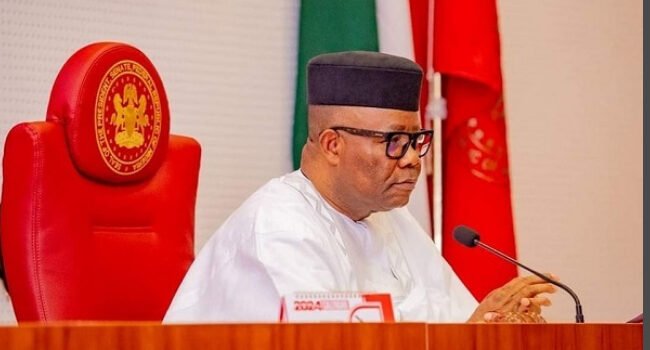
The Senate also called on the Secretary to the Government of the Federation (SGF), George Akume; the Head of the Civil Service of the Federation (HoS), Didi Esther Walson-Jack; and supervising ministries to ensure that agencies under their supervision comply with invitations from the National Assembly.
In addition, lawmakers mandated the Clerk of the National Assembly to communicate the resolution to all MDAs, GOEs, the SGF, the Head of Service and other relevant authorities for immediate compliance.

Contributing to the debate, Senator Mohammed Monguno described the motion as long overdue, stressing that the legislature must protect its independence under Nigeria’s presidential system of government.
“Where the executive displays executive arrogance or executive rascality, the parliament should rise to defend its independence,” Monguno said.

Also speaking, Senator Abdul Ningi expressed concern over what he described as the growing disregard for legislative oversight, noting that the development was inconsistent with the cordial relationship that existed between the executive and legislature during the early years of the Fourth Republic.
Ningi suggested that the Senate should issue a final warning to defaulting agencies before formally notifying President Bola Tinubu of the infractions if the situation continues.
He further proposed that the National Assembly could consider withholding budgetary appropriations for agencies that persistently refuse to comply with legislative invitations.
Similarly, Senator Orji Kalu argued that the National Assembly was being taken for granted and urged lawmakers to enforce their constitutional powers without waiting for intervention from the presidency.
Read also: DSS, Military Arrest Five Suspects In Rivers, Abia Over Abduction of 20 NYSC Members
“If they don’t come after we summon them, we issue a warrant of arrest,” the Abia lawmaker told his colleagues.
The Senate maintained that legislative oversight remains a fundamental pillar of democracy and warned that no government institution is above the constitutional authority of the National Assembly.