

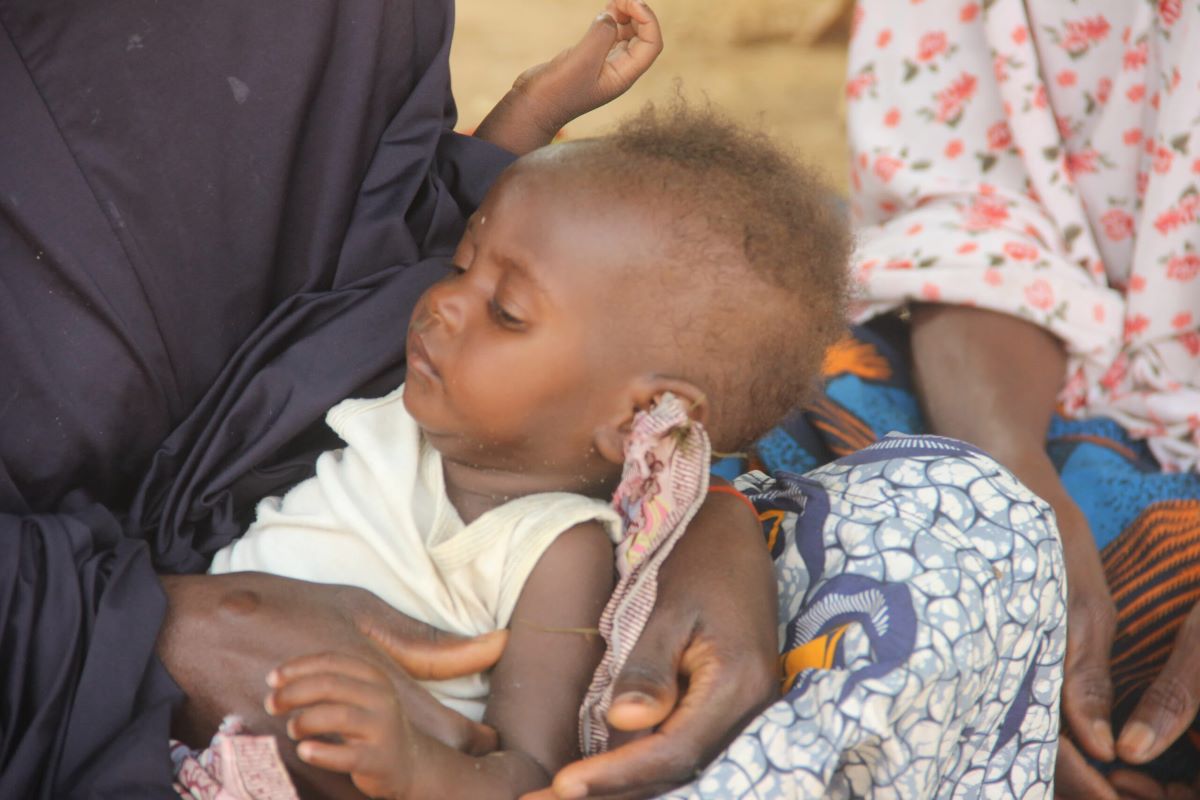
TWENTY people have died from complications associated with suspected diphtheria cases recorded across 13 local government areas (LGAs) of Adamawa State.

News Point Nigeria reports that the State Epidemiologist, Jones Steven Kadabiyu, confirmed the development to Daily Trust in Yola during a telephone interview on Tuesday.

Kadabiyu said 126 suspected diphtheria cases had been recorded across the state, out of which two were confirmed positive and were receiving medical attention.

He said 15 new cases had been reported in September 2026, while six patients were currently hospitalised at various health facilities across the state.


According to him, the new cases were reported in Gombi, Ganye, Mubi South, Mayo-Belwa, Yola North and Yola South LGAs.
He added that two of the patients were receiving treatment at Cottage Hospital, Gombi; two at Modibbo Adama University Teaching Hospital (MAUTH), Yola; and two at the Federal Medical Centre (FMC), Mubi.
Kadabiyu said the deaths recorded so far put the state’s case fatality rate at 20.6 per cent.
He said suspected diphtheria cases had cumulatively been reported across 13 LGAs, including Demsa, Fufore, Ganye, Girei, Gombi, Madagali, Maiha, Michika, Mubi North, Mubi South, Numan, Yola North and Yola South.
Diphtheria is a serious and contagious bacterial infection caused by Corynebacterium diphtheriae, which primarily affects the nose and throat and can sometimes affect the skin.

Kadabiyu explained that the disease is caused by bacteria that attach to the lining of the nose and throat, adding that symptoms usually appear between two and five days after exposure.
He listed mild fever, sore throat, swollen neck glands, difficulty breathing and swallowing, weakness, rashes, painful open skin sores and ulcers among the symptoms of the disease.
The Epidemiologist identified late presentation of patients at healthcare facilities as one of the major challenges confronting the Ministry of Health and Human Services in managing the disease.


He said some caregivers resort to traditional medication before seeking medical attention, often presenting at health facilities only when the condition had worsened.
Kadabiyu warned that diphtheria could progress rapidly and cause severe complications, particularly when infected persons present late at health facilities or experience delays in accessing appropriate treatment.
He said the state government had intensified epidemiological investigations, laboratory surveillance, contact tracing and active case searches in affected and neighbouring communities to contain further transmission.
“Suspected cases and their contacts are also being identified and followed up, while patients are referred to designated treatment centres for appropriate clinical management,” he said.
Kadabiyu added that infection prevention and control measures had been strengthened at health facilities handling suspected and confirmed cases to minimise transmission to health workers, patients and caregivers.
He said the government, in collaboration with health partners, was also intensifying public awareness on the symptoms of the disease, the importance of early presentation at health facilities and vaccination.
While advising parents and caregivers to ensure that their children were vaccinated promptly, Kadabiyu assured that supplies required for the management of diphtheria, including antibiotics, supportive treatment materials and diphtheria antitoxin, were being monitored and coordinated with relevant partners.
“Residents experiencing such symptoms should seek immediate medical care because the disease affects all ages but children are more vulnerable,” Kadabiyu emphasised.