

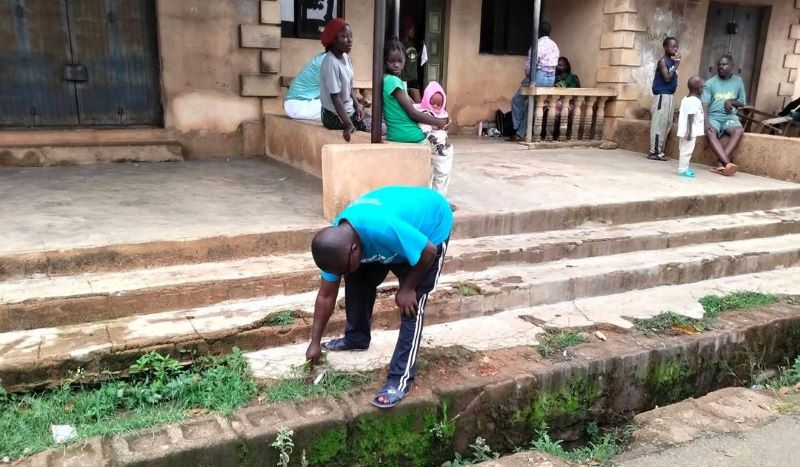
THE Plateau State Environmental Protection and Sanitation Agency (PEPSA) has announced a major shift in its environmental sanitation campaign, placing greater emphasis on household hygiene and community compliance as part of broader efforts to improve public health and reduce flooding across the state.
News Point Nigeria reports that the new approach was unveiled during the May environmental sanitation exercise in Jos, where officials stressed that maintaining a clean environment requires more than periodic street sweeping and must begin at the household level.
Speaking during the exercise, the Director-General of PEPSA, Samuel Dapiya, said the agency would intensify inspections of residential areas to ensure proper waste disposal, the availability of adequate sanitation facilities, and adherence to basic hygiene standards.


According to him, environmental sustainability can only be achieved when residents take responsibility for maintaining cleanliness within their homes and immediate surroundings.
Dapiya explained that PEPSA teams would continue conducting inspections in both urban and rural communities during sanitation periods while also educating residents on best practices in waste management and disease prevention.
He noted that the agency’s preventive efforts have become increasingly important with the onset of the rainy season, a period often associated with flooding and outbreaks of waterborne diseases such as cholera.
The PEPSA boss further highlighted ongoing interventions aimed at clearing drainage channels across the state to improve water flow and prevent flooding.
He disclosed that major drainage routes in areas including Ahmadu Bello Way, Rayfield, Jos Terminus, Air Force Boys, Gold and Base had already been cleared, while similar operations were still ongoing in Bukuru.
According to him, the regular desilting of drainage systems before and after the rainy season has significantly reduced the occurrence of flooding in many parts of Jos and its surrounding communities.

During the sanitation monitoring exercise, officials identified several sanitation concerns, including a residential property in Tudun Wada where dozens of occupants were reportedly relying on only four toilet facilities.
Dapiya described the situation as a serious public health risk and revealed that enforcement measures would be implemented to ensure the property complies with acceptable sanitation standards.
The National Environmental Standards and Regulations Enforcement Agency (NESREA) commended the initiative, describing active community participation as essential to achieving lasting environmental cleanliness.


The Acting Zonal Director of NESREA, Jude Appiah, urged residents to embrace personal responsibility and support government efforts by maintaining clean homes and neighbourhoods.
He stressed that environmental sanitation should not be viewed solely as the responsibility of government, noting that meaningful progress can only be achieved through collective action involving residents, schools, security agencies and the media.
Meanwhile, residents in some of the communities visited appealed for the provision of additional waste collection bins to improve refuse disposal and environmental management.
Responding to the request, PEPSA advised communities to identify suitable locations where the bins could be placed and cautioned residents against the practice of burning refuse inside the containers.
The agency expressed optimism that its renewed focus on household sanitation, public enlightenment and community engagement would further strengthen efforts to keep Plateau State clean, healthy and environmentally sustainable.