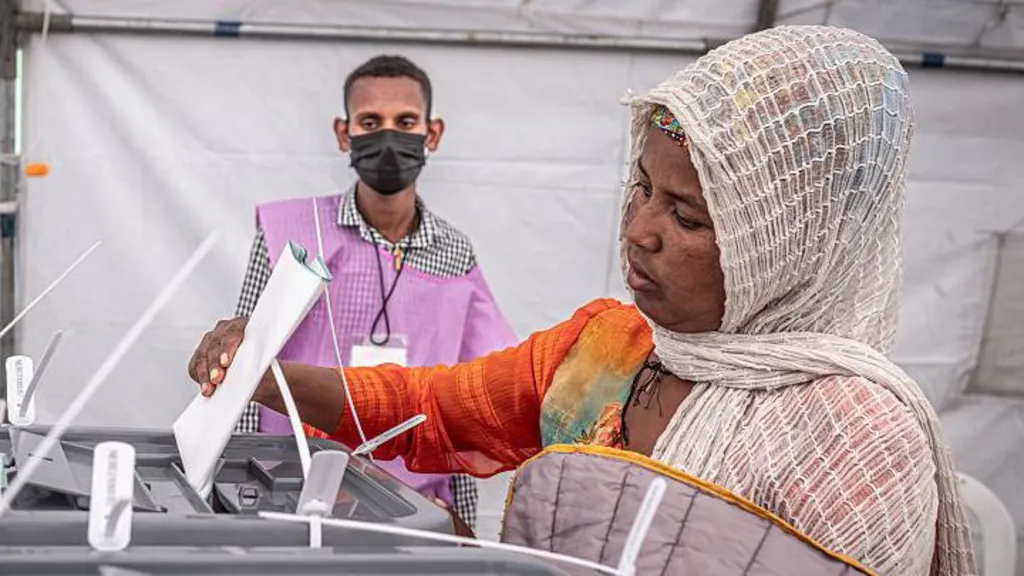
VOTING in Monday’s general election was suspended in parts of Ethiopia’s Oromia and Amhara regions due to security concerns, but long voter queues were seen elsewhere, electoral commission head Melatwork Hailu announced.
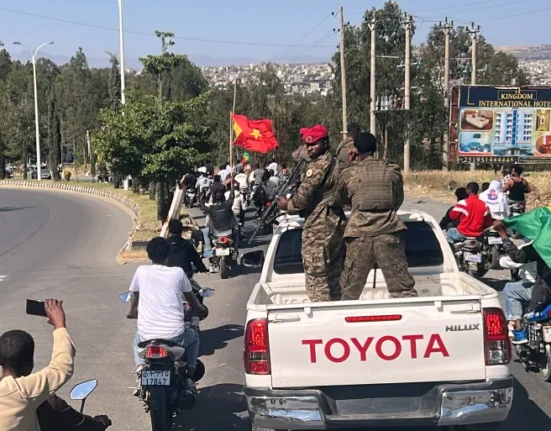
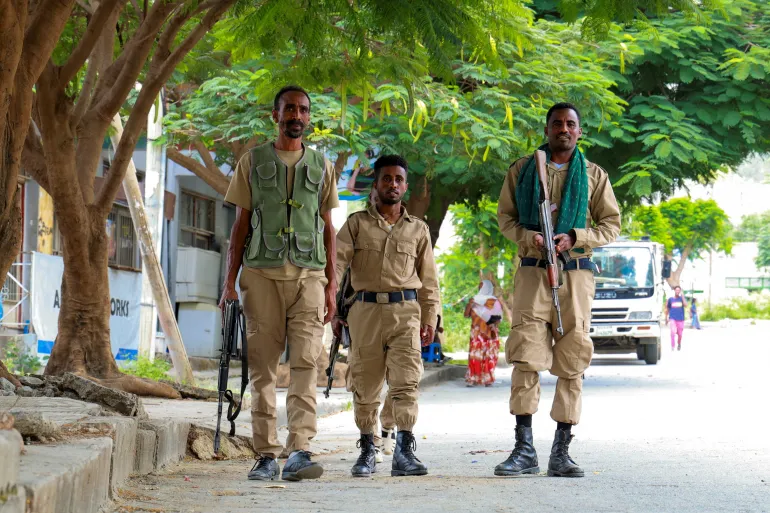
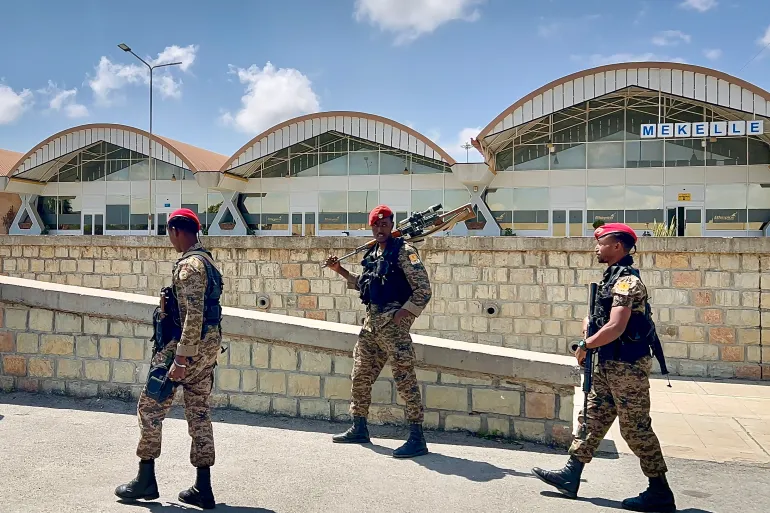
Conflict in parts of Africa’s second most populous country had already meant that many would not be able to take part in the seventh election since the end of the Marxist military regime in 1991.

Read also: Ethiopia, Eritrea Accuse One Another Of Launching War

In fact, the whole northern region of Tigray, which is trying to recover from a civil war that ended in 2022, has been totally excluded from the poll.


Overall, while more than 50,000 polling stations were operational, 143 failed to open over security issues.
Casting his vote, Prime Minister Abiy Ahmed, who has been in power since 2018, praised the country’s progress since the end of the military dictatorship.
“The Ethiopian people have demonstrated that they do not need anyone to advise or lecture them in order to build their state and establish a democratic system,” he said.
The media is tightly regulated in Ethiopia and many organisations, including the BBC, have not been given press accreditation.
Read also: Ethiopian Forces Enter Strategic Tigray Town Of Adwa, Witnesses Say

Kenya’s former President Uhuru Kenyatta, who is observing the poll for the African Union, told reporters that voting was progressing smoothly, the Reuters news agency said.
Abiy, although not directly elected, is likely to come out on top again along with his Prosperity Party. Voters elect representatives to the 547-member parliament and the party that secures at least 274 seats earns the right to form the next government to lead the country for the next five years.
Abiy, 49, came to power following widespread anti-government protests against the Ethiopian People’s Revolutionary Democratic Front (EPRDF), a coalition – dominated by politicians from Tigray – that had ruled since 1991.


He went on to dissolve the EPRDF, of which he was a part, and replace it with the Prosperity Party, a more centralised and less federal form of governing.
Prof Merera Gurdina, a veteran opposition politician and member of the Oromo Federalist Congress, alleges the upcoming election is the least competitive in Ethiopia’s recent history.
Read also: At Least 72 Sudanese Miners Killed In Air Strike On Gold Mine
“We are participating symbolically because the law says you cannot boycott elections consecutively. We are participating, mainly to avoid deregistration,” he told the BBC.
When Abiy first assumed office, he was hailed as a champion of democracy and press freedom after releasing hundreds of politicians and journalists from prison.