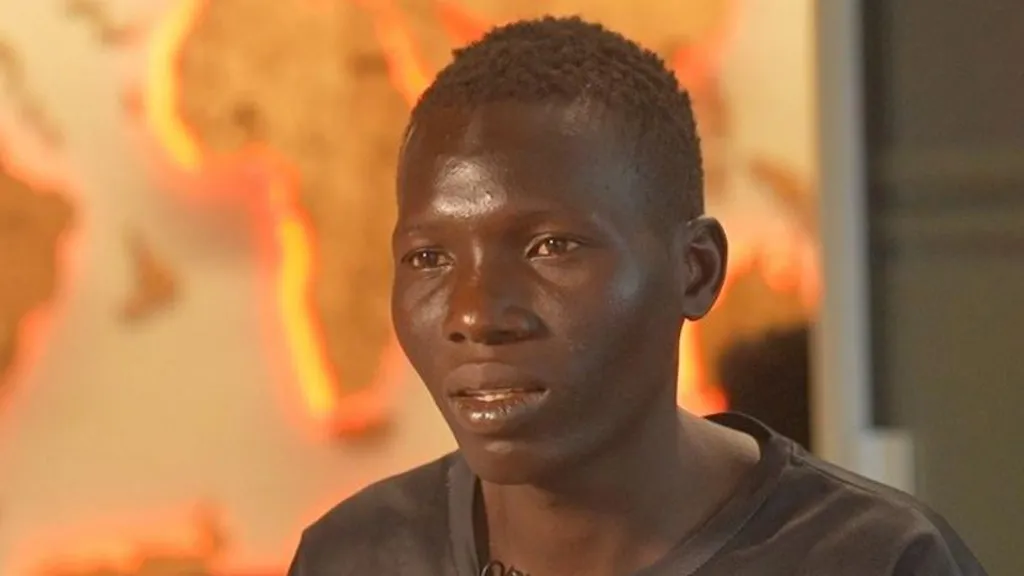
FOR 23-year-old Rasheed Wasiu, a decision made in defiance of his mother’s warning has cost him nearly six years of his life, years spent in prison for an offence he insists he did not commit.
Now finally released after enduring prolonged detention while awaiting trial, Rasheed faces a new and painful reality: his mother, the same woman who warned him to stay indoors, has gone missing.

Read also: Police Fire Tear Gas As #EndSARS Activists Mark Sixth Anniversary at Lekki Toll Gate
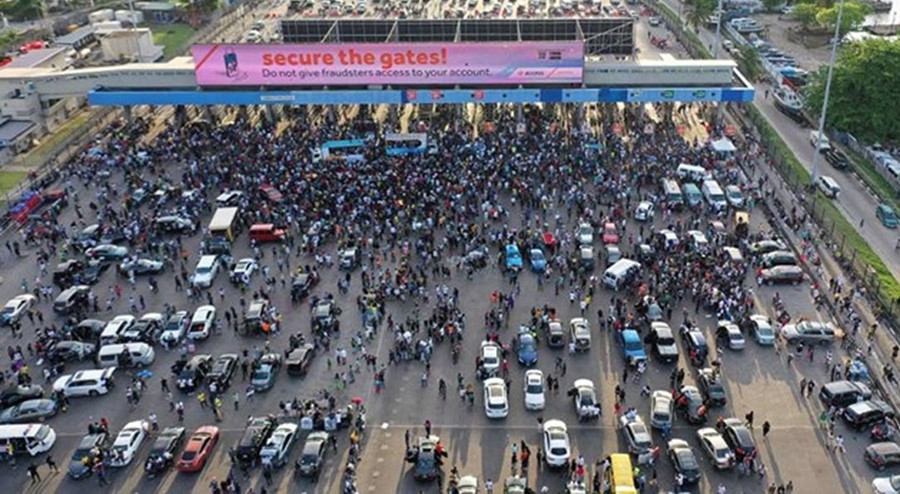
His ordeal dates back to October 2020, when widespread anti-police brutality protests, known as the #EndSARS demonstrations, swept across Lagos and other parts of Nigeria. The protests were driven by public outrage against the now-disbanded Special Anti-Robbery Squad (SARS), which had been widely accused of extortion, harassment, and extrajudicial killings.

As tensions escalated, the situation reached a peak on October 20, when security forces opened fire on protesters in Lagos. In the days leading up to that incident, unrest had spread across several communities, with some protests turning violent. In response, security agencies, alongside local vigilante groups, began arresting individuals suspected of involvement.
On the morning of October 20, Rasheed, then 17, had set out with a friend for a painting job in Amukoko. However, upon learning that violence had erupted in the area, they turned back.


When he returned home, his mother warned him to remain indoors and avoid the streets due to the unrest that had already reached their neighbourhood. But ignoring her advice, he stepped out again.
Although Rasheed maintains that he did not participate in any protest, he was apprehended by members of the Odua Peoples Congress (OPC), a vigilante group, and bundled into a vehicle along with individuals alleged to have been involved in violent activities.
Despite protests from his mother and neighbours, who insisted he was innocent, Rasheed was taken first to an army barracks and later transferred to the Kirikiri Correctional Centre in Lagos.

He said he was initially accused of looting, but when he eventually appeared in court, the charge had changed to unlawful possession of firearms.
His experience reflects that of many detained during the #EndSARS protests, with allegations of arbitrary arrests and inconsistent charges.
Recalling his time in detention, Rasheed described the prison conditions as harsh and dehumanising.


“Jail is hell if you do not have money to ease your way through and cater for your needs,” he said.
According to him, inmates were subjected to overcrowded conditions, poor nutrition, and limited access to healthcare.
“The food is miserable; we get weak after eating. The space is really congested. They locked up to 70 people in a tiny room at a time. There is no good healthcare, but if you have money, you can have access to good food, a bed and proper medications,” he said.
He recounted how a fellow inmate died after suffering from a swollen leg without receiving medical attention.
To survive, Rasheed took on menial jobs within the prison, including washing clothes for other inmates and selling food items such as cow skin, locally known as “ponmo,” on behalf of prison staff in exchange for small earnings or meals.
Months turned into years without his case being heard. On the few occasions he was taken to court, his matter was not called. At one point, one of his lawyers died while representing him.
This prolonged uncertainty continued for nearly six years until early last month, when a Lagos High Court struck out his case due to lack of evidence, paving the way for his release.
Read also: Alleged $2.1m Land Fraud: ‘How I Met Wike’s Son, Jordan In London’, Businessman Tells EFCC
The breakthrough came following intervention by the Take It Back Movement (TIB), an advocacy group that provides free legal support to individuals detained during the #EndSARS protests and other demonstrations.
TIB’s Lagos coordinator, Adekunle Taofeek, described the ruling as a “significant milestone,” noting that it underscored the importance of persistence and collective action in the pursuit of justice.
According to available data from Nigeria’s correctional authorities, approximately 50,000 inmates—about 64 percent of the prison population—are currently awaiting trial, highlighting systemic challenges within the justice system.
Human rights groups have repeatedly raised concerns about cases like Rasheed’s, where individuals spend years in detention without conviction.
Despite regaining his freedom, Rasheed said he has no plans to seek legal redress for the years lost.
“No, I am leaving everything to God,” he said.
However, his return home brought fresh distress. Unable to locate his mother, he learned from neighbours that she had left the area after facing threats of arrest following his detention.
“People in my neighbourhood said they thought I was dead since they couldn’t find me. I checked around for my mum but couldn’t find her… neighbours told me she left the area because she was being threatened,” he said.
He recalled that he saw her only once after his arrest, when she followed him to the barracks where he was initially held. She returned with food on two subsequent days but was denied access.
Since then, he has had no contact with her.
Neighbours provided little information about her whereabouts, though some said they occasionally spotted her passing through the market, often appearing withdrawn and unresponsive.
“They said my arrest caused her so much pain and tears,” Rasheed added.
Currently, he lives with his uncle in another part of Lagos, while both continue efforts to locate his mother.
“I pray to God every day that I will see her, let me just come face to face with her,” he said.
Beyond the search, Rasheed is also focused on rebuilding his life after losing nearly six years.
Before his arrest, he had been training as a tailor and had hoped to establish his own business.
Read also: After Eight-Month Wait, Mexico Approves Reno Omokri’s Appointment As Nigeria’s Ambassador
Now, he depends on the support of neighbours for daily needs but is determined to regain independence.
“Ever since I got out of prison, my neighbours have been the ones supporting me with food. But I don’t want to be dependent on them, I wish to get a job and be a giver as well. I have two hands and legs, I can work,” he said.