THE Federal Government has reaffirmed its commitment to strengthening security in the Niger Delta as part of efforts to increase crude oil production, declaring that incidents of piracy and armed robbery in the region have “really gone down.”
News Point Nigeria reports that the assurance followed a closed-door meeting involving key stakeholders in the oil and gas sector at the 6 Division Headquarters of the Nigerian Army in Port Harcourt Barracks, Rivers State, where participants reviewed the security situation in the oil-producing region and discussed strategies for boosting crude oil production.

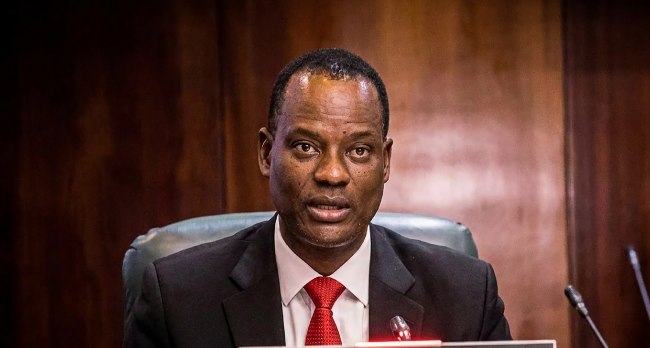
Read also: States Get 85% Of Nigeria’s Resources, FG Gets Just 15%, Finance Minister Says
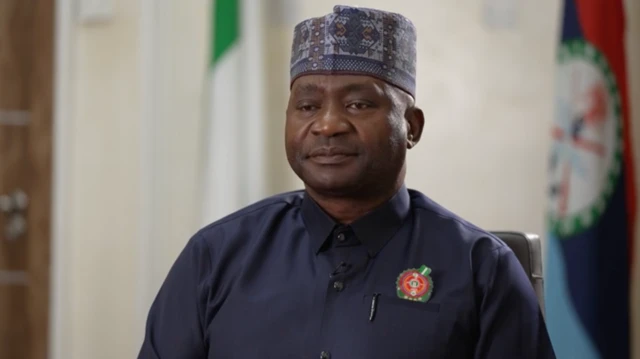
Speaking with journalists after the meeting, the Minister of Defence, Mohammed Badaru Abubakar, said the engagement was a continuation of previous consultations aimed at assessing progress and identifying practical solutions to the security and operational challenges confronting the nation’s oil industry.

“It’s been good. It could be better, but the members of the Armed Forces are working tirelessly to ensure that the area is secured,” the minister said.
“Issues of piracy, armed robbery and all these have really gone down.


“Production has improved. We are far above our oil contract production, and we are aiming very, very high,” he added.
The minister explained that host communities were deliberately included in the discussions to ensure that their concerns and perspectives formed part of the government’s strategy for improving security and increasing crude oil production.
“We even invited the communities so that we can hear from their own aspect what the challenges are. The President is really determined to ensure that the oil-producing areas are well secured and the oil communities are happy and well taken care of, so that we can have more production,” he said.

According to the defence minister, one of the major issues raised during the engagement was the need to strengthen trust and cooperation between host communities and oil operators.
He said the Armed Forces would continue to deepen civil-military relations and sustain stakeholder engagement to bridge existing gaps and foster lasting collaboration.
Musa also used the opportunity to address Nigeria’s broader security challenges, urging citizens to support security agencies by providing timely and credible intelligence.


Read also: FG To Launch Nationwide Crackdown On Short Measures In Markets, Filling Stations
“This is a Nigerian challenge. Terrorism is now a worldwide affair and we need everybody to be on board. The terrorists and bandits live within the communities. If the people don’t provide information and continue to support them with logistics, it creates this atmosphere of insecurity,” he said.
Expressing optimism over ongoing security operations across the country, the minister added, “Working together with the security forces, we’ll achieve—and we’re already achieving—so much.”
The meeting brought together senior military officers, security agencies, regulators, international oil companies (IOCs), indigenous oil firms, representatives of oil-producing host communities and other key stakeholders.
According to the minister, it was the first engagement of its kind since he assumed office and was convened at the directive of President Bola Tinubu to review security in the Niger Delta and chart a pathway towards increased crude oil production.
Among those who attended the meeting was Asari Dokubo, Paramount Ruler of Elem Kalabari, who described the engagement as a positive development for both security and oil production in the Niger Delta.
“Our meeting with the Minister of Defence on oil and gas-related matters was very encouraging, and it was a step in the right direction,” Dokubo said.
He expressed confidence that the Federal Government’s new approach would deliver lasting results if it was sustained.
“If they keep following this new direction, a lot is going to happen. It’s not rocket science. It’s something that has to do with commitment,” he said.
Dokubo also urged operators in the oil and gas sector to embrace global best practices, warning that disruptions to oil production have significant implications for government revenue and national development.
“We’re losing a lot of resources, and it affects all Nigerians. When there is one infraction, it has a trigger effect. There will not be enough money to carry out the projects of whichever government is involved. This is the best that I have seen so far, and I thank God the Minister is driving this process,” he added.
Read also: Federal Government Considers Ban On Large Gatherings Over Ebola
Nigeria currently produces about 1.5 million barrels of crude oil per day.
With improved security identified as a key factor in sustaining higher production levels, the Federal Government said it is targeting 2.5 million barrels per day through stronger collaboration among security agencies, oil companies, regulators and host communities.