
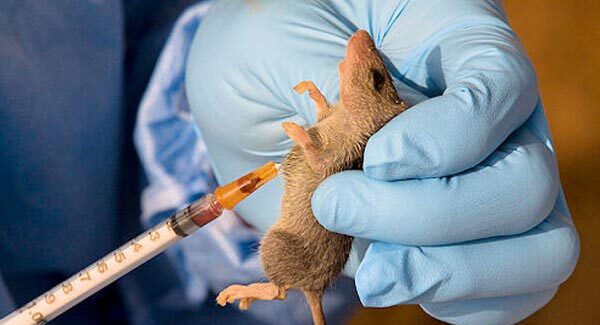
LASSA fever has claimed 214 lives in Nigeria, with the case fatality rate rising to 25 per cent, according to the latest data released by the Nigeria Centre for Disease Control and Prevention (NCDC).

News Point Nigeria reports that the development highlights the continued public health challenge posed by the disease, which has spread across multiple states despite ongoing response efforts. News Point Nigeria reports that the latest figures show a significant increase in the fatality rate when compared with the same period last year.

Read also: FG To Deploy 3,700 Telecom Towers, Connect 20 Million Nigerians Without Network Access – Minister
According to the NCDC’s Lassa Fever Situation Report for Week 23, covering June 1 to June 7, 2026, the case fatality rate rose to 25 per cent from the 18.9 per cent recorded during the corresponding period in 2025.

The agency stated that the number of new confirmed cases remained stable during the reporting week, matching the figure recorded in Week 22.
“New confirmed cases remained steady in Week 23, matching the number recorded in Week 22. Infections were reported in Edo, Ondo, Bauchi, and Ebonyi states. No new healthcare worker infections were reported during the week.


“The outbreak has spread across 23 states and 109 Local Government Areas since January 2026,” the report stated.
The NCDC also noted that both suspected and confirmed cases have increased compared to the corresponding period last year, underscoring the continued transmission of the disease across affected communities.
Read also: How My Mother Was Abducted After I Exposed $2.4bn Subsidy Fraud In 2012 – Okonjo-Iweala

According to the agency, five states account for the overwhelming majority of confirmed infections recorded so far this year.
“Ondo leads with 28 per cent, followed by Bauchi with 25 per cent, Taraba with 15 per cent, Edo with 10 per cent, and Benue with six per cent. The remaining 16 per cent of cases are spread across 18 other states with confirmed infections,” the report added.
The agency further disclosed that young adults remain the demographic group most affected by the outbreak.


According to the NCDC, the predominant age group is between 21 and 30 years, although cases have been recorded among persons aged between one and 93 years, with a median age of 30 years.
To strengthen coordination of the national response, the NCDC said the National Lassa Fever Multi-Partner, Multi-Sectoral Incident Management System (IMS) remains activated.
The agency explained that the IMS is currently supporting response activities at the federal, state and local government levels, helping to coordinate surveillance, case management and other intervention measures.
Read also: FRSC Ogun Sector Commander Oludare Ogunjobi Dies After Brief Illness
Although no new healthcare worker infection was reported during Week 23, the NCDC warned that the rising fatality rate and the continued geographical spread of the disease indicate that transmission remains active.
The agency added that surveillance and case management efforts are ongoing across the 23 affected states as health authorities continue to monitor the outbreak and implement measures aimed at curbing further infections and deaths.