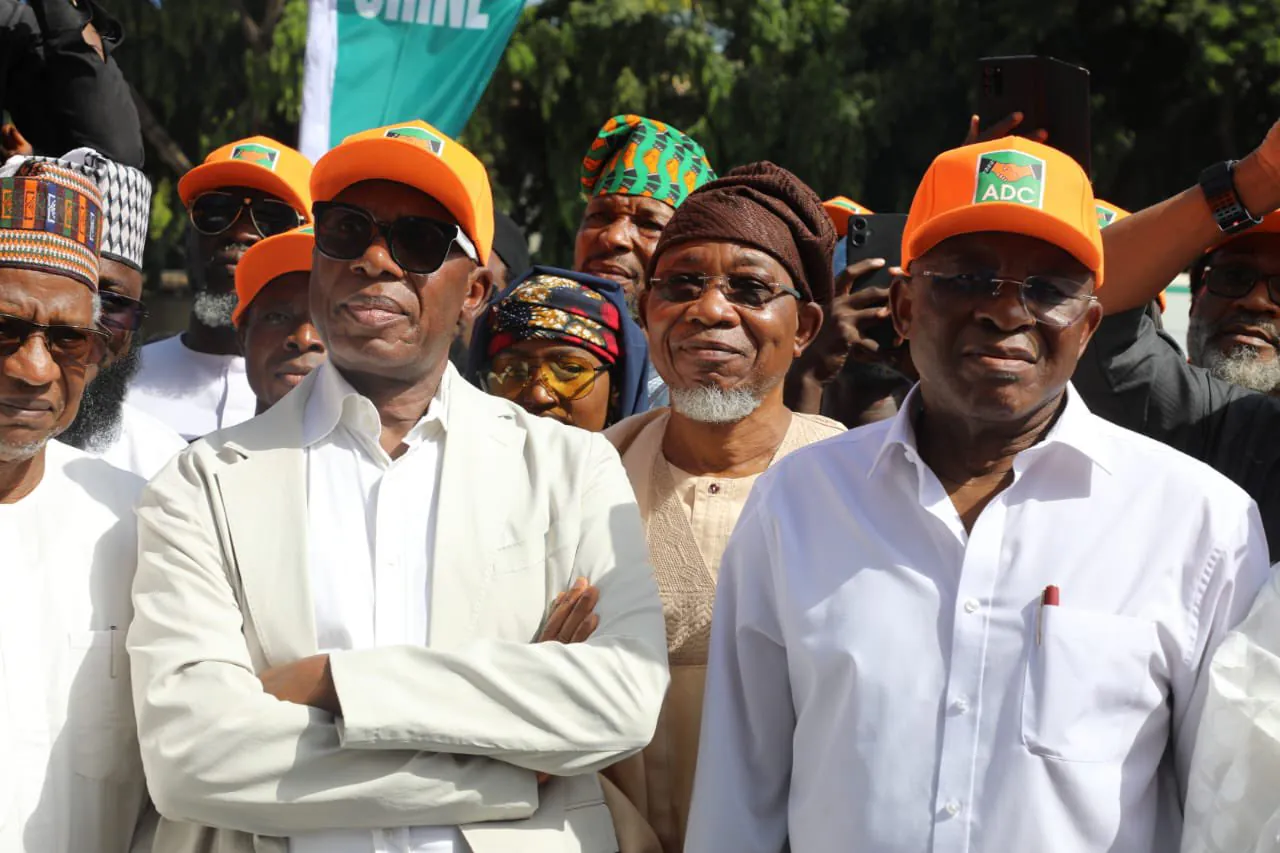
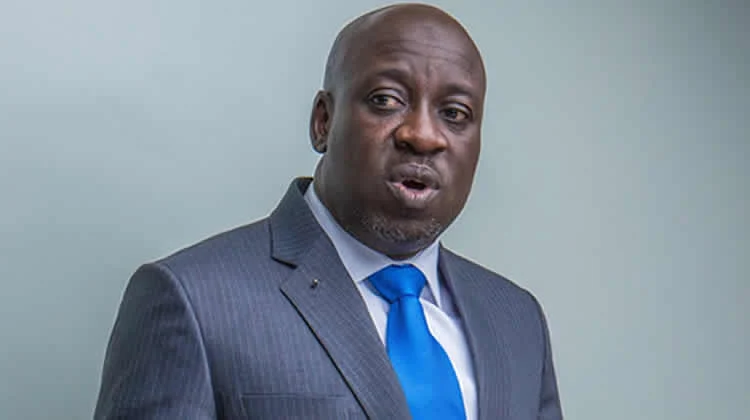
THE National Publicity Secretary of the African Democratic Congress (ADC), Bolaji Abdullahi, has criticised former presidential aspirant of the party, Peter Obi, alleging that the former Labour Party presidential candidate showed little interest in the ADC’s ideology and policy direction during his brief stay in the coalition seeking to unseat President Bola Tinubu in 2027.
News Point Nigeria reports that Abdullahi’s remarks came barely hours after Obi and former Kano State governor, Rabiu Kwankwaso, officially dumped the ADC for the Nigeria Democratic Congress (NDC), citing the lingering leadership crisis within the party as the reason for their defection.

Read also: ‘No Plot To Assassinate Atiku’, APC Says, Ex-VP’s Security Has Never Been Compromised
Speaking during a Prime Time interview on ARISE Television, Abdullahi questioned Obi’s familiarity with the party’s positions on key national issues, insisting that the ADC had invested considerable time and resources in developing a comprehensive manifesto and policy framework.

According to him, the party established a manifesto committee that worked for several months to develop a document outlining how the ADC intended to govern differently from the ruling administration.
“We set up a manifesto committee that worked for about two to three months to develop a document that clearly outlined what we will do differently,” Abdullahi said.


“You may invite His Excellency Peter Obi here and ask him, what is the ADC position on fuel subsidy? What is the ADC’s framework on security? He doesn’t know, because he’s never been interested.”
The ADC spokesman further alleged that some politicians were more concerned about securing party tickets than engaging with the ideological direction and internal structures of the party.
“They are just waiting for the tickets to be handed to them. If you say you want to contest election, and you believe in changing the country, you should know what your party stands for,” he added.

Abdullahi described the ADC as a party with a clear ideology and structured framework capable of offering Nigerians a credible alternative platform ahead of the next general elections.
However, he accused some political actors of treating the party as what he described as a mere “special purpose vehicle” designed solely to advance personal political ambitions.
“Everything that the government has thrown at the ADC, we have resisted. We have fought back and remained committed to our goal of rescuing Nigerians from the failure of this government,” Abdullahi stated.


“We have been fighting for democracy within a party that has given us the best chance to serve the Nigerian people. Even Peter Obi once said at a coalition meeting that if we present two candidates against Bola Ahmed Tinubu, we would be handing him victory in 2027. So, what has changed?”
Read also: ‘I’m Not A Saint, But I Saved Money In Anambra’, Obi Tells Nigerians In UK
Dismissing claims that legal challenges within the ADC influenced Obi’s exit, Abdullahi maintained that the party currently faced only “three flimsy cases in court,” insisting that such issues could not justify the decision to leave.
He also disclosed that Obi allegedly received significant concessions within the party, including the opportunity to nominate the National Organising Secretary, a strategic position he described as the operational backbone of the ADC.
“None of the aspirants or leaders was given as much consideration as Peter Obi. The office of the National Organising Secretary is the engine room of the party. It handles congresses, elections, and core operations. That office is occupied by his nominee,” he said.
Addressing claims by some of Obi’s supporters that the ADC structure was skewed in favour of a particular candidate, Abdullahi dismissed such allegations as unfounded.
“We met with Peter Obi consistently. He attended coalition meetings regularly. He made it clear he would only join if the ticket was zoned. He took nearly a year to join the ADC and never raised concerns about bias within the party, because there was none,” he added.
Using a metaphor to further explain his position, Abdullahi compared Obi’s exit from the party to a troubled marriage.
“When a woman wants to leave a marriage, she gives all kinds of reasons, including being suffocated by too much love. That is what we are seeing now,” he said.
He stressed that while individuals are free to associate with any political platform of their choice, those leaving a party should avoid giving what he described as “flimsy excuses” for their departure.
Abdullahi also revealed that Obi’s defection appeared to have been in motion for months, citing a meeting allegedly held in Kano involving Obi, Kwankwaso, and former Bayelsa State governor, Seriake Dickson.
According to him, the meeting raised questions within the ADC leadership about possible behind-the-scenes political realignments.
“After that meeting in Kano, I reached out to Governor Dickson and asked what had transpired. Kwankwaso had been considering joining the ADC, and suddenly, things changed. It raised questions about whether there were efforts to divide the opposition and create an advantage for the incumbent,” he said.
Read also: JAMB Warns Universities Against Issuing ‘Unauthorised’ Admission Letters To Candidates
Abdullahi added that Dickson reportedly indicated that the NDC remained an alternative political platform available to interested politicians.
“What this suggests is that the defection of Peter Obi and Rabiu Musa Kwankwaso was pre-planned. It even raises the question of whether Kwankwaso’s involvement in the ADC was a trojan horse at the onset,” he added.