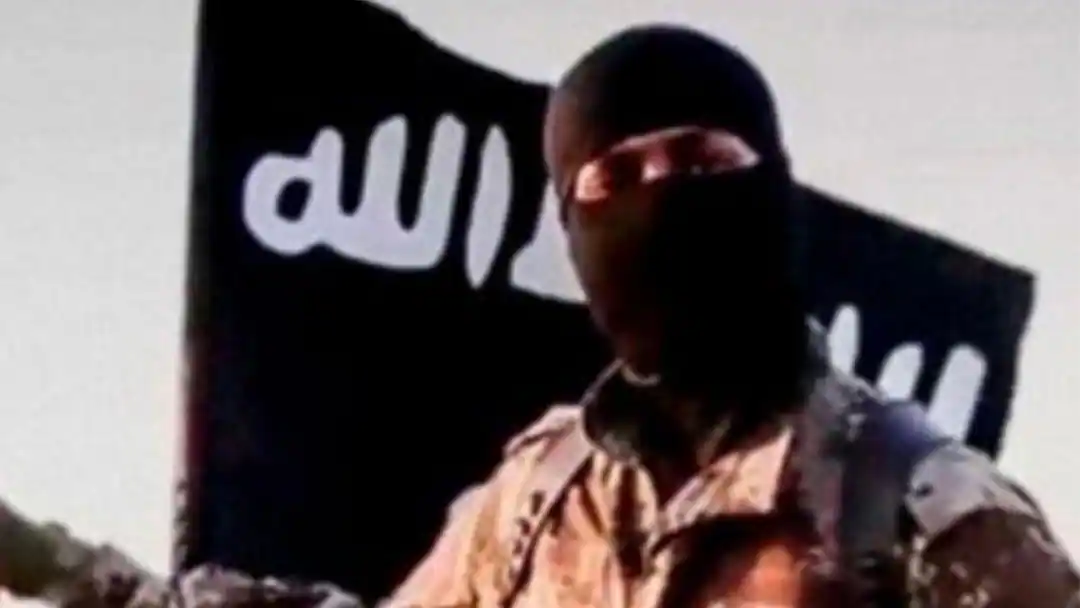
THE Presidency has defended the reported killing of Abu-Bilal Al-Manuki, also known as Abu-Mainok or Abu-Bilal Al-Minuki, described as a senior commander of the Islamic State West Africa Province (ISWAP), insisting that the latest Nigerian-American counterterrorism operation was credible, intelligence-driven and thoroughly verified.
In a State House press statement sent to News Points Nigeria by Bayo Onanuga, the Presidency said the controversy surrounding the operation exposed what it described as a disconnect between public scepticism and the realities of modern counterterrorism operations.

Read also: Court Rejects Hospital’s Bid To Stop Inquest Into Death Of Chimamanda Adichie’s Son

The statement noted that doubters had questioned the authenticity of the operation that reportedly neutralised the ISWAP leader, but security sources maintained that such reactions were premature, unwarranted and lacking full understanding of the operational context.


According to the Presidency, Al-Manuki’s name had previously appeared among lists of suspected ISWAP and Boko Haram commanders reportedly killed during military operations around the Birnin Gwari forest axis in Kaduna State in 2024.
However, security officials clarified that the earlier report resulted from mistaken identity or misattribution during intense counterinsurgency operations. Intelligence authorities reportedly concluded that the Birnin Gwari theatre was never within Al-Manuki’s known operational sphere, thereby undermining the accuracy of the earlier assessment.
The statement stressed that the latest operation was conducted with a much higher level of confidence and precision.

According to intelligence sources cited in the statement, the operation followed prolonged Intelligence, Surveillance and Reconnaissance efforts supported by communications monitoring and phone intercepts that allegedly began in December 2025.
The Presidency disclosed that the intelligence trail was built over several months through persistent tracking, digital surveillance and human intelligence gathering aimed at mapping Al-Manuki’s movements across strategic locations in northern Nigeria.

Security officials also revealed that initial efforts focused on capturing the ISWAP commander alive rather than eliminating him, which explained why he was reportedly kept under surveillance in several locations, including Abuja and Maiduguri, until days before the final strike.
The statement added that intelligence units maintained sustained pressure on the target while carefully avoiding premature exposure of the operation.
Read also: Ondo Crash: Senate, Reps Demand Aircraft Audit, Probe Into Air Force Maintenance Funding


Unlike previous incidents in which battlefield assessments were later revised, the Presidency said the latest strike involved extensive target validation and multi-source intelligence confirmation before the final authorisation was granted.
Officials quoted in the statement maintained that “multiple layers of verification” were applied before the kinetic action was approved, insisting that “this time, there is no ambiguity.”
The Presidency acknowledged that critics had referenced past counterterrorism cases involving high-profile insurgent leaders such as Abubakar Shekau, who was at different times wrongly declared dead before resurfacing.
However, security analysts cautioned against using such historical examples to dismiss every confirmed military operation, noting that intelligence gathering in asymmetric warfare environments is often complex and evolving.
The statement further referenced the global campaign against ISIS, recalling that early reports of the death of Abu Bakr al-Baghdadi were later disproved before his eventual death was officially confirmed years later.
According to the Presidency, such incidents demonstrate not failure, but the imperfect and evolving nature of intelligence work in conflict environments where insurgents operate across difficult terrains, use multiple aliases and rely heavily on misinformation.
The statement warned that undermining credible joint operations involving Nigerian forces and international intelligence partners could weaken public confidence in ongoing counterterrorism efforts.
It added that Nigerian security forces and allied foreign intelligence agencies continue to operate within one of the world’s most complicated insurgency environments, where targets frequently move across borders, conceal their identities and operate within civilian-populated areas.
Against that backdrop, the Presidency stressed that verification procedures are deliberately stringent and multilayered before any public confirmation is made.
Read also: NCC Introduces Electronic Checks For Phones, Tablets, Modems, POS Terminals
While acknowledging that public scrutiny remains important in a democratic setting, security experts cited in the statement warned that premature dismissal of military claims could negatively affect operational morale and strategic communication.
The Presidency maintained that the operation targeting Abu-Bilal Al-Manuki was a validated intelligence success against a senior figure within the Islamic State network, insisting that authorities are “100 per cent certain” of the outcome.