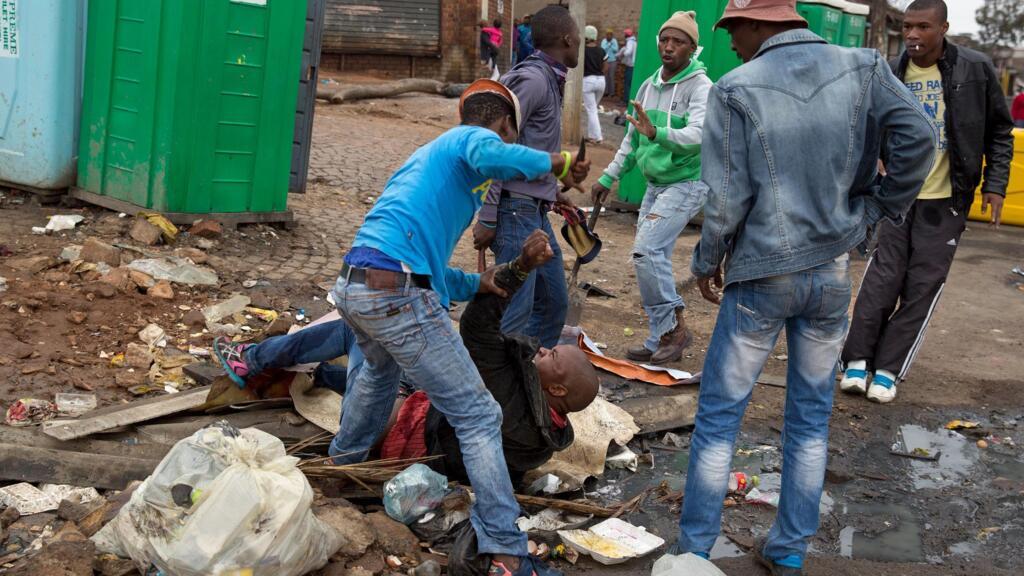
FOR many Nigerians living in South Africa, each new wave of xenophobic unrest revives an unsettling reality; the fear that their nationality alone could make them targets of mob violence, looting, or intimidation.
Although attacks against foreign nationals in South Africa are not new, the recurring hostility towards Nigerians has continued to raise difficult questions about migration, economic frustration, and the fragile state of African solidarity decades after the end of apartheid.

Read also: Two ANC Members Killed In South Africa Campaign Shooting
The attacks on Nigerians in South Africa can be traced back to the early 2000s, when xenophobic violence on the Cape Flats resulted in the deaths of two Nigerians and seven other Africans.

However, the incidents did not stop, as they continued to worsen over the years. For instance, in 2008, Johannesburg turned into what many described as a “war zone” when riots led to the killing of at least 62 people, while about 6,000 others were displaced.
In April 2015 alone, attacks on Nigerian-owned property caused damage estimated at N21m, while roughly 20 Nigerians were reportedly killed in 2016, including Tochukwu Nnamdi, who was allegedly shot extrajudicially by the police.


Barely a year later, Nigerians in Pretoria West reported that five buildings, a garage containing 28 cars, and a church were looted and burnt.
More coordinated attacks on Nigerians across Johannesburg and Pretoria followed in 2019. During the attacks, natives allegedly singled out Nigerian-owned businesses.
In a report referenced by the House of Representatives, it was disclosed that 116 Nigerians were killed in South Africa within two years, while between 1999 and 2018, an estimated 118 Nigerians reportedly lost their lives to xenophobic violence.

According to a 2018 Pew Research Centre poll, 62 per cent of South Africans believed immigrants were a burden and linked them to crime. Nigerians, who are among the most visible African migrant communities in the country, are therefore often targeted as scapegoats during periods of social unrest.
Recently, anti-immigrant violence in parts of Johannesburg, Durban, and Pretoria destroyed businesses, displaced families, and heightened diplomatic tensions between Nigeria and South Africa, the continent’s two biggest economies.
Read also: DR Congo Ebola Cases Pass 9,000 As Efforts To Curb Transmission Falter


Many of the attacks were reportedly carried out by South Africans who blamed migrants for worsening unemployment, crime, and pressure on public services.
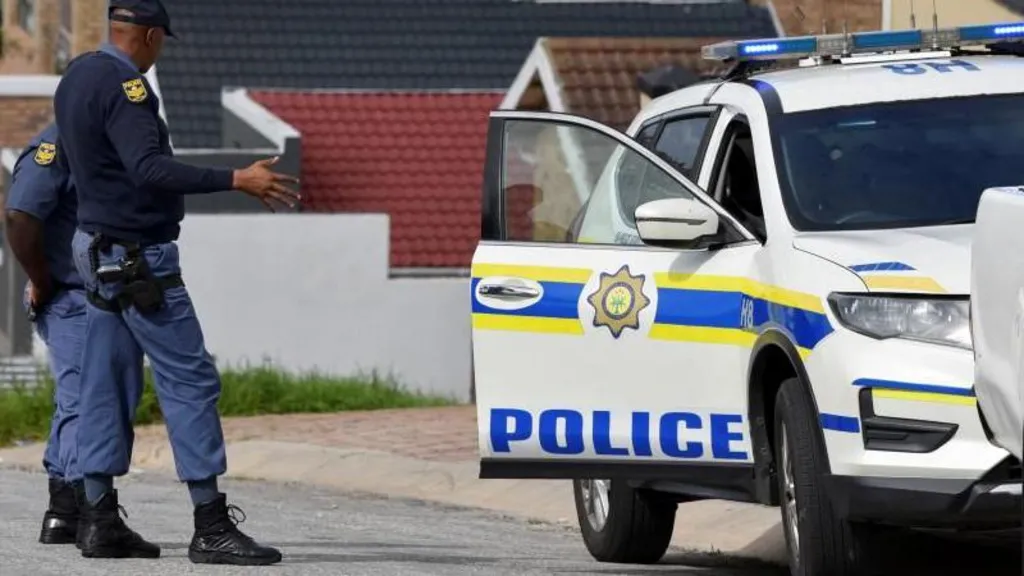
In late April 2026, for instance, anti-immigrant groups such as Operation Dudula intensified attacks on foreigners and fellow black Africans in Johannesburg, Pretoria, and other communities and allegedly hunted them on the streets like common criminals.
Shops owned by migrants were looted, buildings burnt, and vehicles destroyed.
Two Nigerians identified as Nnaemeka Matthew Andrew Ekpeyong reportedly died in police custody, while Kelvin Chidiebere Amaramiro died from injuries allegedly inflicted by personnel of the South African National Defence Force.
During the period, African migrants were allegedly asked to produce identification documents at schools, hospitals, and business premises.
In KuGompo City alone, some protesters allegedly burnt properties linked to foreigners over claims that the Igbo community crowned an Igbo king, Solomon Eziko, in the Eastern Cape Province.
However, the House of Representatives expressed displeasure over the renewed wave of xenophobic attacks against Nigerians in South Africa and urged the Federal Government to take urgent diplomatic and protective action.
The resolution followed the adoption of a motion of urgent public importance moved by a lawmaker, Donald Ojogo, and seconded by Billy Osawaru. Both lawmakers called for immediate evacuation plans for Nigerians willing to return home and also recommended a review of bilateral relations between the two countries, including a possible temporary suspension of business permits for South African companies operating in Nigeria.
Fearing that tensions in South Africa could escalate further, the Federal Government began a voluntary repatriation programme for its citizens.
Read also: Mauritius Rocked By Worst Riots In Decades After Police Shoot Woman
The Minister of Foreign Affairs, Bianca Odumegwu-Ojukwu, disclosed that at least 130 Nigerians in South Africa requested to be flown home following the protests.
Condemning the incidents, President Bola Tinubu, through the ministry, directed Nigerian missions in South Africa to “immediately establish a crisis notification unit for Nigerians affected by the xenophobic attacks and anti-foreigner sentiments in the country.”